Introduction
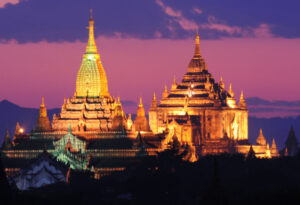
Bagan is one of Myanmar’s most iconic destinations, famous for its vast plains of ancient temples, pagodas, and unforgettable sunrises. Choosing the best time to visit Bagan is crucial because the region experiences extreme heat during certain months. This guide explains the best seasons, climate conditions, and travel tips to help you plan a comfortable and memorable visit.
Bagan Climate Overview
Bagan has a hot and dry climate, very different from coastal and hill regions of Myanmar. The year is divided into three main seasons:
Cool & Dry Season: November to February
Hot Season: March to April
Rainy / Monsoon Season: May to October
Rainfall is lower than most parts of Myanmar, but heat can be intense.
Best Time to Visit Bagan: November to February ⭐
November to February is the best time to visit Bagan for most travelers.
Why this is the best season
Comfortable temperatures (18°C–30°C / 64°F–86°F)
Dry weather and clear skies
Ideal for temple exploration and cycling
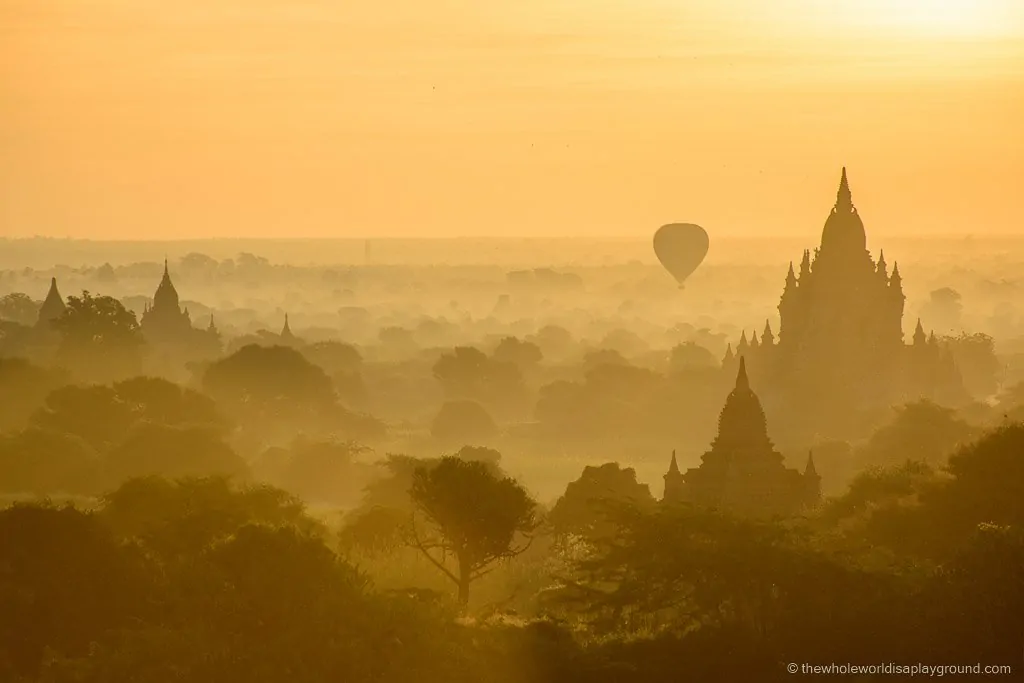
Best conditions for sunrise and sunset views
This season is perfect for exploring temples, climbing viewing mounds, taking photos, and enjoying outdoor activities without extreme heat.
Things to consider
Peak tourist season
Higher hotel demand
Early booking is recommended
Visiting Bagan in the Hot Season (March to April)
The hot season in Bagan can be very challenging.
What to expect
Temperatures often exceed 38°C (100°F)
Very dry air
Fewer tourists
Is it worth visiting?
Only if you:
Can tolerate extreme heat
Plan activities early morning or late afternoon
Want lower hotel prices
April also includes Thingyan (Myanmar Water Festival), which can be lively but disruptive.
Visiting Bagan During the Rainy Season (May to October)
The monsoon season brings occasional rain but fewer crowds.
Advantages
Greener landscapes
Fewer tourists
Discounted accommodation
Disadvantages
Muddy paths around temples
Overcast skies for sunrise photography
Occasional travel delays
This season is suitable for budget travelers and those who prefer quiet surroundings.
Month-by-Month Summary
November–February
Cool, dry, and comfortable. Best overall travel experience.
March–April
Extremely hot but dry. Lowest crowds, challenging weather.
May–October
Warm and humid with some rain. Budget-friendly but less ideal for photography.
Best Time to Visit Bagan for Festivals
November–February: Pagoda festivals
April: Thingyan Water Festival
October–November: Thadingyut (Festival of Lights)
Festivals add cultural depth but may increase accommodation demand.
Best Time to Visit Bagan for Hot Air Balloons
November to February
Clear skies and calm wind conditions
Peak ballooning season
Balloon rides are usually suspended during the rainy season.
Best Time to Visit Bagan for Budget Travelers
June to September
Lower hotel prices
Fewer tourists
Quieter atmosphere
Expect rain and fewer services in remote areas.
Travel Tips by Season
Cool Season: Book hotels early, bring light layers
Hot Season: Avoid midday sightseeing, carry water
Rainy Season: Wear sturdy shoes and allow flexible schedules
Conclusion
The best time to visit Bagan is from November to February, when cooler temperatures and dry weather make temple exploration comfortable and photography ideal. While Bagan can be visited year-round, travelers should plan carefully during the hot and rainy seasons. Each season offers different advantages depending on travel style and budget.
Frequently Asked Questions (FAQs)
1. What is the best month to visit Bagan?
December and January offer the most comfortable weather.
2. Is Bagan too hot in April?
Yes, temperatures can exceed 38°C (100°F), making sightseeing difficult.
3. Can I visit Bagan during the rainy season?
Yes, but rain and muddy paths may affect temple visits.
4. When is the cheapest time to visit Bagan?
June to September usually has the lowest hotel prices.
5. Is Bagan good for photography year-round?
Best photography conditions are from November to February.
6. When do hot air balloons operate in Bagan?
Mostly from November to February, depending on weather.