Cultural Tours in Myanmar: Temples, Traditions & Living Heritage
Myanmar offers one of Southeast Asia’s richest cultural experiences. Ancient kingdoms, sacred pagodas, living traditions, and diverse ethnic communities shape the country’s unique identity. Cultural tours in Myanmar allow travelers to explore this heritage respectfully while gaining a deeper understanding of daily life, beliefs, and history.
From sunrise over Bagan’s temples to quiet monasteries in Mandalay and vibrant markets in Yangon, Myanmar delivers meaningful cultural encounters that go far beyond sightseeing.
Why Choose a Cultural Tour in Myanmar?
Myanmar remains deeply rooted in tradition. Buddhism influences daily routines, architecture, and social values, while over 130 ethnic groups preserve their own languages, customs, and festivals. Cultural tours help visitors experience these traditions in an authentic and responsible way.
Instead of rushing between landmarks, cultural tours focus on:
Local interaction
Historical context
Traditional lifestyles
Cultural preservation
Travelers who value learning, respect, and slow exploration often find Myanmar especially rewarding.
Yangon: The Cultural Gateway
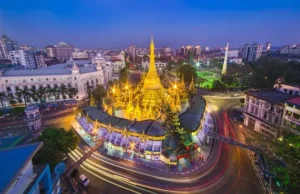
Most cultural journeys begin in Yangon, the former capital and cultural heart of Myanmar. The city blends colonial history, modern life, and spiritual devotion.
Key cultural highlights include:
Shwedagon Pagoda – Myanmar’s most sacred site, glowing with gold and gemstones
Colonial architecture – British-era buildings around downtown Yangon
Local markets – Bogyoke Aung San Market showcases crafts, textiles, and gems
Street life – Teahouses and food stalls reveal everyday culture
Guided tours help explain religious customs, etiquette, and historical background, which enhances respect and understanding.
Bagan: The Ancient Kingdom of Temples
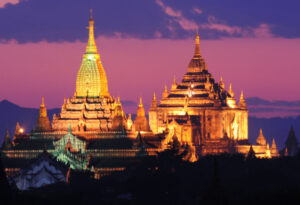
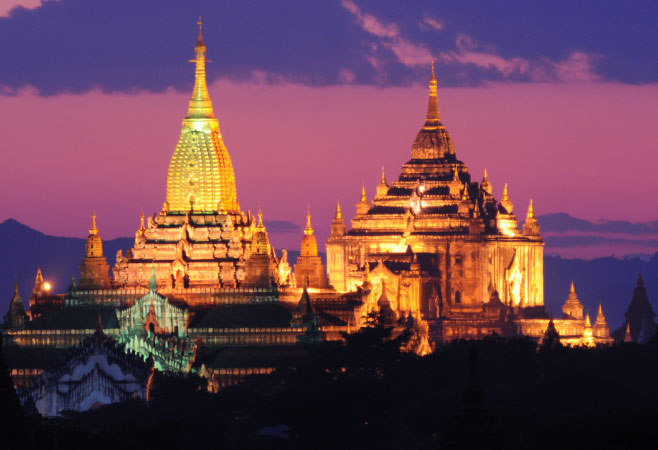
Bagan stands as one of Asia’s greatest archaeological treasures. Between the 9th and 13th centuries, thousands of temples and stupas rose across this plain beside the Ayeyarwady River.
Cultural tours in Bagan typically include:
Sunrise or sunset temple visits
Exploration of lesser-known pagodas
Traditional lacquerware workshops
Village visits and local cooking experiences
Bagan reflects the spiritual devotion and artistic achievements of early Myanmar civilizations. Walking or cycling between temples allows visitors to absorb the atmosphere at a slower pace.
Mandalay: Royal Heritage and Spiritual Learning
Mandalay served as Myanmar’s last royal capital and remains a center of education, religion, and traditional arts.
Important cultural experiences include:
Mandalay Palace – Symbol of royal history
Mahamuni Pagoda – A revered Buddha image with daily rituals
Monasteries – Observe monks studying Buddhist texts
U Bein Bridge – A teak bridge reflecting local life at sunset
Cultural tours here often focus on Buddhist philosophy, meditation, and traditional crafts such as gold leaf making and stone carving.
Ethnic Cultures and Rural Life
Myanmar’s cultural diversity extends far beyond its major cities. Cultural tours introduce travelers to ethnic communities whose traditions have survived for centuries.
Popular regions include:
Inle Lake – Home to the Intha people, known for leg-rowing fishermen
Chin State – Mountain cultures with distinct dress and customs
Shan State – Influenced by Thai, Lao, and Chinese cultures
These tours emphasize respectful interaction, homestays, and community-based tourism. Visitors gain insight into daily routines, agriculture, weaving, and traditional ceremonies.
Festivals and Religious Celebrations
Myanmar’s calendar features colorful festivals rooted in Buddhism and seasonal traditions. Planning a cultural tour around these events creates unforgettable experiences.
Notable festivals include:
Thingyan (Water Festival) – Celebrates the New Year in April
Thadingyut (Festival of Lights) – Marks the end of Buddhist Lent
Tazaungdaing – Hot-air balloons and temple offerings
During festivals, communities open their homes and temples, offering visitors a chance to observe rituals and celebrations respectfully.
Traditional Cuisine and Cultural Dining
Food plays a central role in Myanmar’s culture. Cultural tours often include cooking demonstrations or shared meals with local families.
Common dishes include:
Mohinga – Rice noodle soup, considered the national dish
Tea leaf salad (Lahpet Thoke) – A unique fermented tea delicacy
Curry meals – Served with multiple side dishes and shared plates
Dining experiences help travelers understand social customs, hospitality, and regional flavors.
Responsible and Respectful Cultural Travel
Cultural tours in Myanmar prioritize respect for local customs and communities. Travelers should dress modestly at religious sites, remove shoes when required, and ask permission before photographing people.
Choosing licensed guides and community-based tours supports local economies and helps preserve cultural heritage for future generations.
Best Time for Cultural Tours in Myanmar
The best time for cultural travel is November to February, when temperatures remain cooler and festivals occur frequently. March to May can feel very hot, while the rainy season from June to October affects travel in rural areas.
Conclusion
Cultural tours in Myanmar offer more than historical sightseeing. They create meaningful connections with people, traditions, and spiritual values that shape the nation. Whether exploring ancient temples, joining festivals, or sharing meals with local families, travelers gain a deeper appreciation of Myanmar’s living heritage.
For those seeking authentic cultural experiences in Southeast Asia, Myanmar remains a destination of profound beauty and cultural depth.
FAQs – Cultural Tours in Myanmar
1. Are cultural tours in Myanmar safe?
Yes, most cultural tours operate safely with licensed guides. Travelers should follow local advice and respect regional guidelines.
2. Do I need a guide for cultural tours?
A local guide greatly enhances understanding of history, religion, and customs, especially at temples and rural communities.
3. What should I wear on cultural tours?
Wear modest clothing covering shoulders and knees, especially at religious sites.
4. Can I visit ethnic villages responsibly?
Yes, choose community-based tours that support local livelihoods and avoid exploitative practices.
5. What language do guides use?
Most professional guides speak English. Some also speak Mandarin, French, or German.
6. Is photography allowed during cultural tours?
Photography is usually allowed, but always ask permission when photographing people or religious rituals.
7. How long should a cultural tour last?
A well-paced cultural tour usually lasts 7–14 days to cover major regions without rushing.