Temple & Pilgrimage in Myanmar: Sacred Journeys Through Faith and History
Temple & Pilgrimage in Myanmar
Myanmar is one of Southeast Asia’s most spiritually rich countries. Temples, pagodas, monasteries, and pilgrimage sites shape daily life, culture, and identity. Across the country, millions of people travel each year to worship, meditate, and make merit at sacred destinations that have stood for centuries.
From glittering golden pagodas to ancient brick temples, pilgrimage in Myanmar is not only a religious act but also a journey through history, architecture, and living tradition.
The Role of Pilgrimage in Myanmar Culture
Pilgrimage holds deep meaning in Myanmar Buddhism. Many locals aim to visit important pagodas at least once in their lifetime. These journeys often coincide with festivals, full moon days, or significant life events such as birthdays, weddings, and memorials.
Pilgrimage in Myanmar focuses on:
Merit-making (donations, offerings, good deeds)
Meditation and spiritual reflection
Honoring Buddha relics and sacred images
Preserving tradition across generations
Temples are not silent monuments. They are active centers of prayer, learning, and community life.
Most Important Temple & Pilgrimage Sites in Myanmar
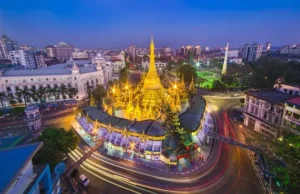
Shwedagon Pagoda (Yangon)
Shwedagon Pagoda is Myanmar’s most sacred Buddhist site. The golden stupa enshrines relics of four Buddhas, including strands of Gautama Buddha’s hair. Pilgrims circle the pagoda clockwise, stopping at planetary posts linked to the days of the week.
Why it matters:
Spiritual heart of Myanmar
Major pilgrimage destination year-round
Center of national history and devotion
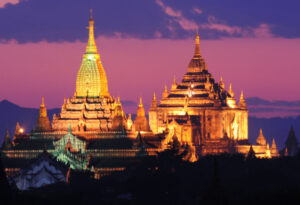
Bagan Temples (Mandalay Region)
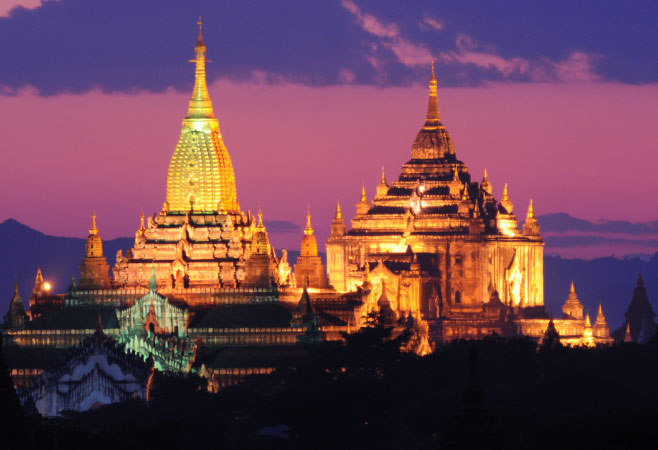
Bagan is one of the world’s greatest archaeological and spiritual landscapes. Between the 9th and 13th centuries, more than 10,000 temples and pagodas were built across the plains.
Pilgrims visit famous temples such as:
Ananda Temple
Shwezigon Pagoda
Dhammayangyi Temple
Why it matters:
Combination of pilgrimage and heritage travel
Active worship alongside ancient architecture
Kyaiktiyo Pagoda (Golden Rock)
Kyaiktiyo Pagoda features a massive boulder balanced on a cliff edge, covered in gold leaf. Pilgrims believe the rock remains suspended through divine power.
Why it matters:
One of Myanmar’s most powerful pilgrimage symbols
Popular with elderly pilgrims and families
Associated with faith, perseverance, and miracles
Mahamuni Buddha Temple (Mandalay)
The Mahamuni Buddha image is one of the most revered statues in Myanmar. Devotees apply gold leaf directly to the image daily, creating thick layers over centuries.
Why it matters:
Daily ritual bathing of the Buddha image
Strong connection to royal and monastic traditions
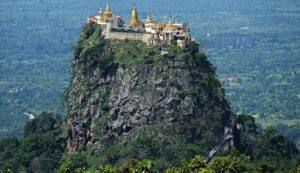
Mount Popa (Mon State)
Mount Popa is both a spiritual and cultural pilgrimage site. It is famous for its association with Myanmar nats (spirit worship), blending Buddhism with ancient beliefs.
Why it matters:
Unique mix of Buddhism and animist tradition
Important for understanding Myanmar spirituality
Kakku Pagodas (Shan State)
Kakku features thousands of small pagodas arranged closely together. It serves as an important pilgrimage site for the Pa-O ethnic group.
Why it matters:
Ethnic spiritual heritage
Quiet, meditative environment
Pilgrimage Festivals and Sacred Calendar
Pilgrimage peaks during major Buddhist festivals:
Thingyan (Myanmar New Year)
Thadingyut (Festival of Lights)
Tazaungdaing
Full moon days of Waso and Tabaung
During these times, temples become vibrant centers of chanting, offerings, food donations, and community gatherings.
Temple Etiquette for Pilgrims and Visitors
Respect is essential at all sacred sites. Visitors should:
Remove shoes and socks before entering temple grounds
Dress modestly (covered shoulders and knees)
Avoid touching monks, especially women
Keep voices low and phones silent
Walk clockwise around stupas
These customs reflect centuries of tradition and devotion.
Spiritual Tourism and Responsible Travel
Temple and pilgrimage tourism supports:
Monastic education
Temple preservation
Local communities and artisans
Responsible visitors contribute through donations, respectful behavior, and cultural awareness. Many pilgrims combine spiritual journeys with meditation retreats and cultural exploration.
Why Temple & Pilgrimage Matter to Myanmar
Temples and pilgrimage routes are not only religious landmarks. They are:
Guardians of history
Symbols of resilience
Living expressions of faith
Foundations of national identity
Understanding pilgrimage in Myanmar offers deep insight into the country’s values, beliefs, and enduring traditions.
Frequently Asked Questions (FAQ)
1. What is the most sacred pilgrimage site in Myanmar?
Shwedagon Pagoda in Yangon is considered the most sacred site.
2. Can non-Buddhists visit temples in Myanmar?
Yes. Visitors of all faiths are welcome if they follow temple etiquette.
3. What is the best time for pilgrimage in Myanmar?
November to February offers cooler weather and major festivals.
4. Do pilgrims need guides?
Guides are optional but helpful for understanding history and rituals.
5. Are Myanmar temples still active places of worship?
Yes. Most temples remain active with daily prayers and ceremonies.
6. Is photography allowed in temples?
Usually allowed outside. Some inner areas may restrict photography.