Thakin Kodaw Hmaing: Poet and Cultural Nationalist
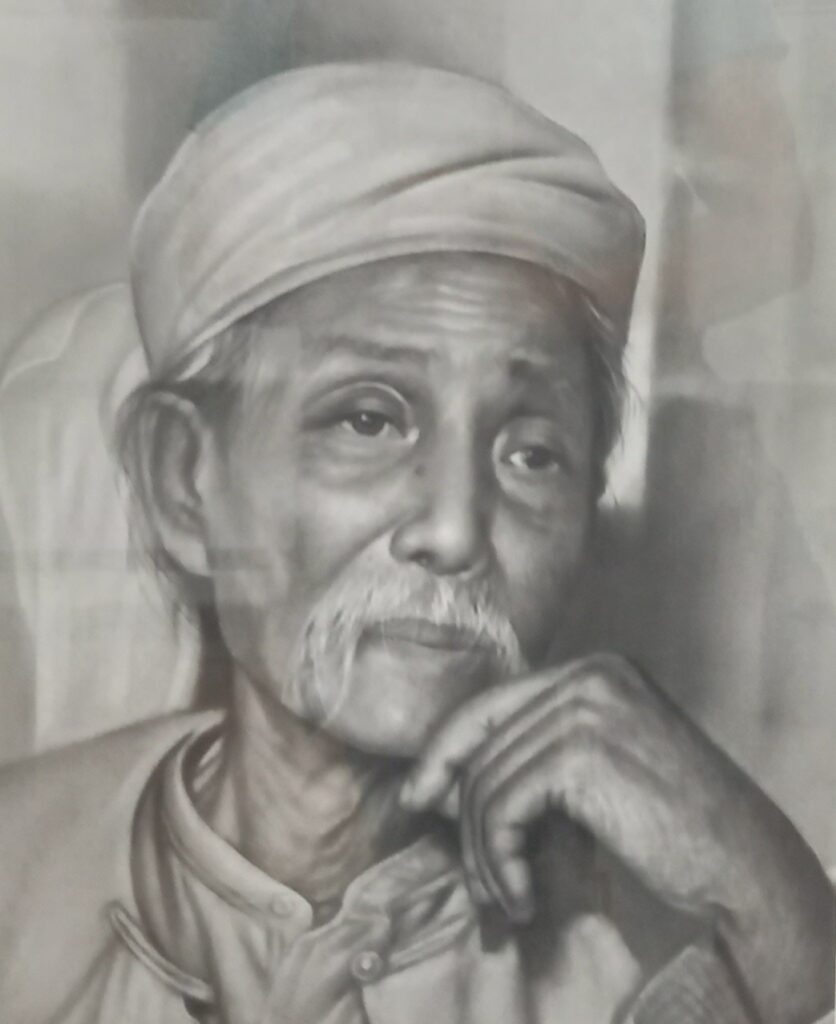
Thakin Kodaw Hmaing stands as one of the most influential cultural figures in Myanmar’s modern history. A poet, writer, satirist, and cultural nationalist, he played a decisive role in shaping Burmese literary expression and national consciousness during the struggle against British colonial rule. Through his powerful use of language, humor, and symbolism, Thakin Kodaw Hmaing helped transform literature into a tool of political awareness and cultural revival.
Widely respected across generations, he is remembered not only for his literary achievements but also for his moral authority as an intellectual committed to justice, dignity, and national self-respect.
Early Life and Education
Thakin Kodaw Hmaing was born in 1876 in Lower Burma during the colonial period. His birth name was Maung Lun, and he later became known by multiple pen names, reflecting both literary tradition and political identity.
He received a classical monastic education, studying:
Pali and Buddhist texts
Traditional Burmese poetry and prose
Classical literary forms
This foundation allowed him to master both classical and modern styles, a skill that later enabled him to communicate complex ideas to a broad audience.
Literary Awakening and Early Career
In his early career, Kodaw Hmaing gained recognition as a talented poet and satirist. He initially worked within traditional literary conventions but gradually began experimenting with form and content.
His writings often employed:
Satire and irony
Wordplay and classical references
Moral and philosophical themes
These techniques made his work both intellectually rich and widely accessible.
Role in Cultural Nationalism
The Thakin Movement
Kodaw Hmaing became closely associated with the Dobama Asiayone (Thakin movement), a nationalist organization that rejected colonial dominance. Members adopted the title Thakin—meaning “master”—to assert Burmese ownership of their country.
By adopting the name Thakin Kodaw Hmaing, he publicly aligned himself with the movement’s ideals and used his literary influence to support the nationalist cause.
Literature as Resistance
Unlike armed revolutionaries, Thakin Kodaw Hmaing waged resistance through language and culture. His writings criticized:
Colonial exploitation
Cultural inferiority narratives
Social injustice
He believed that political freedom required cultural self-confidence, and that reclaiming Burmese identity was essential to national liberation.
Major Works and Literary Style
Poetry and Prose
Thakin Kodaw Hmaing’s body of work includes:
Poetry
Essays
Satirical writings
Political commentary
His style blended:
Classical Burmese forms
Modern themes
Nationalist symbolism
This fusion allowed him to reach both traditional scholars and emerging nationalist youth.
Influence on Younger Nationalists
Kodaw Hmaing’s influence extended beyond literature into the broader nationalist movement. Younger leaders—including future politicians and revolutionaries—admired his moral clarity and intellectual courage.
His work inspired figures involved in:
Student movements
Anti-colonial activism
Cultural reform
Through mentorship and example, he helped shape the intellectual climate that produced Myanmar’s independence leaders.
Buddhist Philosophy and Ethical Outlook
Deeply influenced by Buddhist ethics, Kodaw Hmaing emphasized:
Compassion
Moral responsibility
Social justice
He viewed nationalism not as hatred of others, but as self-respect rooted in ethical conduct. This perspective distinguished him from more extreme ideological movements.
Post-Independence Years
After Myanmar gained independence in 1948, Thakin Kodaw Hmaing remained an important moral and cultural figure. Although he did not seek political office, he continued to:
Write on social and ethical issues
Comment on national direction
Advocate peace and unity
His voice carried weight precisely because it was independent of political power.
Death and National Legacy
Thakin Kodaw Hmaing passed away in 1964, leaving behind a legacy that transcends political eras. He is widely regarded as:
A pioneer of modern Burmese literature
A cultural architect of nationalism
A moral compass during times of upheaval
His writings remain part of Myanmar’s literary canon and are studied in schools and universities.
Cultural and Historical Significance
Thakin Kodaw Hmaing’s importance lies in his ability to:
Fuse culture and politics
Elevate literature as a force for change
Inspire national dignity without violence
Few figures have shaped Myanmar’s cultural identity as profoundly.
Why Thakin Kodaw Hmaing Matters Today
Understanding Thakin Kodaw Hmaing is essential to understanding:
Myanmar’s literary heritage
The cultural roots of nationalism
The role of intellectuals in social transformation
His life demonstrates that words can be as powerful as weapons in the struggle for freedom.
❓ Frequently Asked Questions (FAQ)
1. Who was Thakin Kodaw Hmaing?
He was a Burmese poet, writer, and cultural nationalist who used literature to support the anti-colonial movement.
2. Why is he important in Myanmar history?
He helped shape modern Burmese identity and nationalist thought through literary expression.
3. What does “Thakin” mean?
“Thakin” means “master” and was used by nationalists to assert Burmese ownership of their country.
4. Was Thakin Kodaw Hmaing a politician?
No. He was an intellectual and cultural leader rather than a political officeholder.
5. What kind of literature did he write?
He wrote poetry, essays, and satirical works blending classical forms with nationalist themes.
6. How is he remembered today?
As one of Myanmar’s greatest literary figures and a symbol of cultural resistance.