Min Thu Wun: Renowned Burmese Poet and Writer
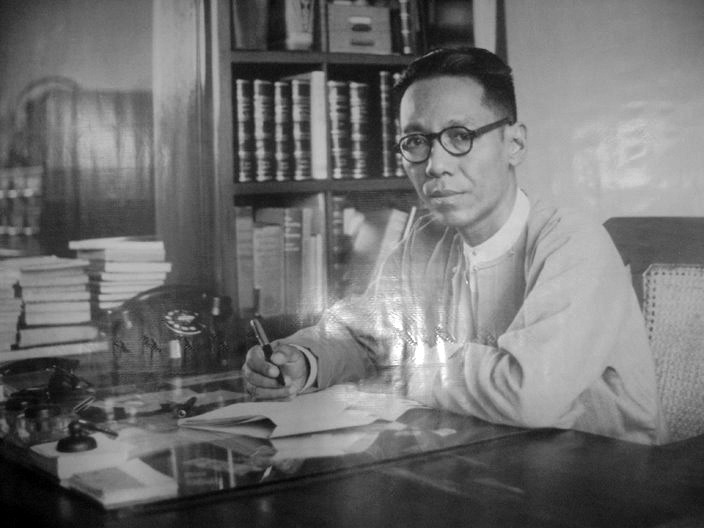
Min Thu Wun is widely regarded as one of the most important literary figures in modern Myanmar. A poet, writer, and intellectual, he contributed significantly to the development of Burmese literature during the 20th century, particularly in the post-independence period. His works are known for their emotional depth, refined language, and subtle exploration of human experience, making him a lasting influence on Myanmar’s literary culture.
Respected for both his artistic integrity and moral presence, Min Thu Wun occupies a unique position among Myanmar’s cultural figures—bridging traditional literary values and modern expression.
Early Life and Education
Min Thu Wun was born in 1909 in British Burma. His birth name was Maung Maung Gyi, and he later adopted the pen name Min Thu Wun, which became synonymous with literary excellence in Myanmar.
He received a strong formal education and later studied at Rangoon University, where he was exposed to classical Burmese literature as well as Western literary traditions. This dual influence shaped his distinctive writing style, which balanced tradition with innovation.
Literary Beginnings
Min Thu Wun began writing poetry at a young age, quickly gaining recognition for his command of language and emotional sensitivity. His early works often reflected:
Youthful introspection
Romantic themes
Philosophical reflection
As his career progressed, his writing matured, addressing broader social and moral questions without resorting to overt political rhetoric.
Contribution to Modern Burmese Poetry
Style and Themes
Min Thu Wun’s poetry is characterized by:
Elegant and restrained language
Emotional clarity
Subtle symbolism
He avoided excessive ornamentation, favoring simplicity and sincerity, which made his work accessible to a wide audience while retaining literary depth.
Common themes in his work include:
Love and loss
Time and memory
Human dignity
Moral reflection
Role as a Writer and Intellectual
Beyond poetry, Min Thu Wun was an accomplished essayist and prose writer. His essays often explored:
Cultural values
Ethics and responsibility
Education and self-discipline
Through his prose, he contributed to intellectual discussions that shaped Myanmar’s literary and educational environment.
Relationship With National and Cultural Movements
Although not a political activist in the conventional sense, Min Thu Wun lived through periods of colonial rule, independence, and political change. His work reflected a quiet cultural nationalism, emphasizing:
Personal integrity
Cultural continuity
National self-respect
Unlike revolutionary writers, his influence was moral and aesthetic rather than confrontational.
Academic and Teaching Career
Min Thu Wun also served as an educator, teaching literature and writing. His role as a teacher allowed him to directly influence younger generations of writers and students.
He emphasized:
Discipline in writing
Respect for language
Ethical responsibility of intellectuals
Many of his students later became respected figures in Myanmar’s literary circles.
Later Life and Recognition
Throughout his later years, Min Thu Wun remained a respected cultural elder. His contributions were acknowledged through:
Literary honors
Academic recognition
Public respect
His works continued to be published, studied, and recited long after their initial release.
Death and Legacy
Min Thu Wun passed away in 2004, leaving behind a literary legacy that continues to shape Myanmar’s cultural life.
He is remembered as:
A master of poetic expression
A mentor to younger writers
A symbol of cultural refinement and integrity
Cultural and Historical Significance
Min Thu Wun’s importance lies in his ability to:
Preserve literary elegance in a changing world
Address universal human themes
Inspire readers without political division
His works remain part of Myanmar’s educational curriculum and literary canon.
Why Min Thu Wun Matters Today
Understanding Min Thu Wun helps readers appreciate:
The evolution of modern Burmese poetry
The role of writers in shaping cultural identity
How literature can influence society quietly but profoundly
His life demonstrates the enduring power of words rooted in empathy and wisdom.
❓ Frequently Asked Questions (FAQ)
1. Who was Min Thu Wun?
Min Thu Wun was a Burmese poet, writer, and educator known for his refined literary style.
2. What is Min Thu Wun famous for?
He is famous for his poetry and essays that shaped modern Burmese literature.
3. Was Min Thu Wun involved in politics?
No. He was primarily a cultural and literary figure rather than a political activist.
4. What themes appear in his writing?
Love, morality, human experience, time, and cultural values.
5. Did Min Thu Wun teach literature?
Yes. He worked as an educator and influenced many younger writers.
6. How is Min Thu Wun remembered today?
As one of Myanmar’s most respected poets and cultural intellectuals.