
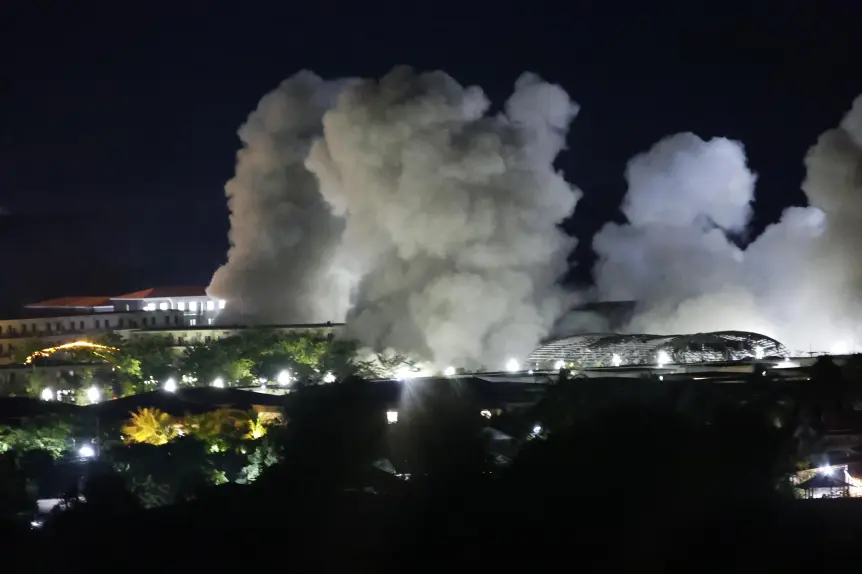
Myanmar Steps Up Crackdown on Online Scam Compounds Near Thai Border
Overview
Myanmar authorities have intensified efforts against large-scale online scam centers operating in Shwe Kokko and KK Park, both located near Myawaddy, a strategic border town connecting Myanmar and Thailand. These facilities have drawn international attention for hosting cyberfraud operations targeting victims around the world.
Recent Enforcement Actions
According to official state media, a major operation launched on 18 November in Shwe Kokko led to the detention of 1,746 foreign nationals within six days. Combined with earlier raids, authorities report a total of 12,586 detentions since January, with 9,978 individuals deported via Thailand.
Seized materials included:
2,893 computers
21,750 mobile phones
101 Starlink satellite communication devices
21 internet routers
Additional equipment used for online gambling and financial scams
Context of Cyberfraud in Myanmar
The United Nations Office on Drugs and Crime (UNODC) estimates global cyberfraud networks generate nearly $40 billion USD per year, with Southeast Asia acting as a major hub. Perpetrators typically approach victims through social media, dating platforms, or messaging apps, then promote fraudulent investment or cryptocurrency schemes.
Some foreign workers report being trafficked or misled into employment at these sites, later finding themselves unable to leave.
Broadcasts and Public Messaging
State-run MRTV has been showing daily footage of:
Security forces entering buildings without resistance
Long lines of detainees
Demolition of structures in KK Park, including the destruction of computers with heavy machinery
The extended coverage appears aimed at documenting enforcement efforts following sustained international criticism of Myanmar’s cybercrime environment.
Local Power Dynamics in Myawaddy
The Myawaddy region remains politically complex. Several Karen ethnic militias operate in the area, including:
The Border Guard Force (BGF), aligned with the Myanmar military
The Karen National Union (KNU), which supports anti-military resistance movements
These overlapping power structures have historically allowed unregulated development and illicit business activity to flourish in border zones.
Outlook
Authorities state that their crackdown on online fraud and illegal gambling began in September. Analysts caution that while recent raids were significant, the core architects of cyberfraud networks may continue operations in other locations, both within Myanmar and across regional borders.
FAQ — Myanmar Cyberfraud Crackdown
1. What is Shwe Kokko and KK Park?
Shwe Kokko and KK Park are large developments near Myawaddy on the Myanmar–Thailand border. They have been associated with online fraud operations and illegal gambling activities involving both local and foreign workers.
2. Why did Myanmar authorities conduct raids?
Authorities stated that the raids were part of a national crackdown on cyber scams and illegal gambling. Operations reportedly began in September and targeted facilities suspected of running large-scale fraud networks.
3. How many people were detained?
State media reports indicate that more than 12,500 foreigners have been detained since late January. Nearly 10,000 of them have been deported through Thailand.
4. What equipment was seized?
Confiscated items included computers, mobile phones, satellite communication devices (including Starlink units), internet routers, and other tools used for online scam operations.
5. Were the detained individuals scam operators?
Detained individuals include suspected scam operators and workers. Some foreign nationals claim they were recruited with false job promises and later prevented from leaving the compounds.
6. Are scam operations still active?
Authorities say the crackdown is ongoing. However, analysts and critics warn that network leaders may continue operating in other locations within or outside Myanmar.
7. Who controls the Myawaddy area?
The region is influenced by several Karen ethnic groups, including the Border Guard Force (BGF) aligned with Myanmar’s military, and the Karen National Union (KNU), which is part of the wider anti-military resistance movement.
8. Is it safe for travelers or workers to enter these zones?
Travel near scam compounds or unregulated developments in border areas carries risk. Individuals should avoid unauthorized job offers, unverified agents, and employment that requires handing over passports or personal devices.
9. How do online scam networks operate?
Most schemes involve building personal relationships online—often through romance or cryptocurrency investment stories—before requesting money, transfers, or access to digital wallets.
10. Where can victims report cyberfraud?
Victims should report cases to relevant law enforcement in their home country and through trusted international cybercrime reporting channels. Avoid engaging further with suspected scam accounts.
Related posts:
 China Executes 5 from Myanmar Scam Gang in Fraud Crackdown
 UN Special Rapporteur Report on Myanmar Rights
 Myanmar junta fortifies Sittwe as AA nears Rakhine
 Myanmar Considers Direct Yuan Investment to Boost Chinese Business Engagement
 Myanmar Destroys 150 Scam Centers Near China Border
 ASEAN to Decide on Myanmar Election Observers in 2025