Burmese vs Myanmar:
History, Identity, Language, and Culture Explained
Introduction
The terms “Burmese” and “Myanmar” have become a topic of global confusion—used interchangeably, contested politically, and misunderstood historically. For many foreigners, both words refer to the same country, while for locals, each term carries deep layers of identity, ethnicity, colonial history, nationalism, and political legitimacy.
Understanding the difference is not simply a matter of vocabulary. It requires looking at:
What ethnic identity “Burmese” originally described
Why the government changed the country’s English name to “Myanmar”
How the international community reacts to these names
What locals actually say in everyday life
How language, culture, and politics influence terminology
This article will present a clear and unbiased explanation of Burmese vs Myanmar, exploring history, society, linguistics, culture, and geopolitics, so you can use the terms correctly depending on context.
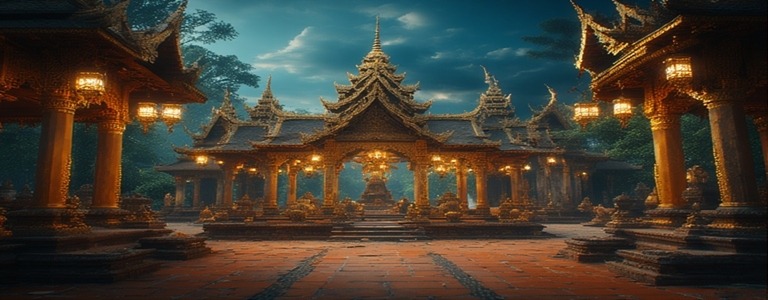
1. A Visual Overview of Myanmar
Myanmar is a country in Southeast Asia bordered by China, India, Thailand, Laos, and Bangladesh. It has over 55 million people, over 135 officially recognized ethnic groups, and a history stretching back thousands of years.
Because of this diversity, the language we use to describe the nation and its people must be precise.
2. What Does “Burmese” Mean?
2.1 Origin of the Word
“Burmese” is the Anglicized form of “Bama” (ဗမာ), which historically referred to the majority ethnic group living in central Myanmar.
It was used by European traders and British colonial officials to represent:
The ethnic identity of the Bamar people
The royal dynasties originally centered around Upper Burma
The territory controlled by these dynasties
Over time, “Burmese” became shorthand for everything related to the country: people, language, food, culture, and even politics.
Example:
Burmese people → the Bamar ethnic group
Burmese language → the language of the Bamar
Burmese food → national cuisine influenced by Bamar taste
However, this usage is problematic. Myanmar is not a mono-ethnic nation.
It includes: Kachin, Shan, Karen, Chin, Mon, Rakhine, Pa-O, Wa, Naga, and dozens more.
When you say “Burmese people,” minorities may feel excluded.
3. What Does “Myanmar” Mean?
3.1 Historical Background
The word Myanmar (မြန်မာ) is not new.
It is the formal written version of “Bama”, used for centuries in classical literature and royal texts.
Think of it as:
Myanmar → formal, literary, official
Bamar (Bama) → informal, everyday speech
Similar to:
Deutsch vs German
Holland vs Netherlands
Nippon vs Japan
So Myanmar is not an invention; it is a traditional, indigenous name.
3.2 Name Change in 1989
In 1989, the military government (SLORC) changed many English transliterations:
Burma → Myanmar
Rangoon → Yangon
Pagan → Bagan
Arakan → Rakhine
Karen → Kayin
The stated reason: to reflect more accurate Burmese pronunciation and include all ethnic groups.
But the political context matters.
The government at the time was not democratically elected.
Opposition groups and many Western countries argued:
A dictatorship cannot legitimately rename a country.
This created a semantic conflict that still influences global politics today.
4. Burmese vs Myanmar: Simple Definitions
4.1 Myanmar = the country
Myanmar refers to the nation-state itself:
Myanmar government
Myanmar citizens
Myanmar economy
Myanmar passport
Myanmar laws
4.2 Burmese = people, language, culture
Burmese primarily refers to:
The Burmese/Bamar ethnic majority
The Burmese language
Burmese cuisine
Burmese traditional dress (Longyi)
Modern examples:
Myanmar is hosting the regional conference.
He is studying Burmese language.
These sentences reflect correct usage.
5. Visualizing Ethnic Diversity vs Identity
Myanmar is a mosaic of cultures.
To treat everyone as “Burmese” overlooks:
Distinct languages
Unique histories
Separate kingdoms
Cultural traditions
Spiritual beliefs
Geographic homelands
For example:
Shan share cultural links with Thai and Lao groups.
Kachin are closely tied to Tibeto-Burman communities.
Chin have long connections with Mizoram (India) and Bangladesh.
Mon are one of the oldest Buddhist cultures in mainland Southeast Asia.
“Burmese” was never meant to describe them all.
6. Political Implications
6.1 Colonial Legacy
Britain conquered Burma in the 19th century and ruled it from 1824 to 1948.
During colonial times, ethnic groups were classified under simplified categories:
Frontier races
Burman majority
Minority tribes
“Burmese” became an umbrella word imposed by outsiders, reinforcing dominance of the central Bamar.
6.2 Identity vs Inclusion
When the government pushed “Myanmar” in 1989, it claimed:
Burmese = ethnic
Myanmar = everyone
In theory:
Myanmar citizens of all ethnicities
Myanmar national identity
Myanmar culture as a whole
For some, this was positive—an inclusive framework.
For others, it was propaganda — adopted without democratic consent, masking ethnic inequality.
7. International Usage: Who Uses Which Term?
7.1 Nations that adopted “Myanmar”
Many Asian and UN-aligned countries quickly used Myanmar:
ASEAN members (Thailand, Laos, Cambodia, Vietnam)
China
Russia
United Nations official documents
7.2 Western reactions
The U.S., U.K., Australia, and Canada delayed adoption for years, arguing:
Recognition of the name legitimizes the junta.
Over time, even Western governments began using “Myanmar” formally, but “Burma” still appears in political contexts or activist circles.
8. Language: Burmese vs Myanmar
8.1 The Burmese language
“Burmese” is the correct term for the official language.
You rarely hear:
Myanmar language
Unless you say “Myanmar sa” (မြန်မာစာ), which means Myanmar writing/script.
In English usage:
Burmese language = correct
Myanmar language = uncommon
8.2 Writing system
The Burmese script derives from Mon-Brahmi scripts and is shared with many minority languages (Shan, Karen, etc.) but adapted with different characters.
9. Culture: Burmese vs Myanmar
Burmese culture typically refers to:
Buddhism influenced by Theravāda tradition
Pagan/Bagan-era heritage
Mandalay court customs
Burmese dance, poetry, lacquerware
Myanmar culture is broader:
Shan cuisine and Shan noodles
Kachin hill-tribe festivals
Chin beadwork and weaving
Kayin don dance
Mon architecture
One is specific (Bamar majority), the other is national multicultural identity.
10. Everyday Usage Inside the Country
10.1 Locals rarely say “Myanmar” when speaking Burmese casually
Daily speech still uses:
Bama people (ဗမာ)
Bama-batha language (ဗမာဘာသာ)
If you say:
“I am Burmese.”
Locals understand you are a person from Myanmar, regardless of ethnicity.
10.2 Public vs private identity
Government forms use Myanmar
Older generations and diaspora may still use Burma
Ethnic minorities sometimes avoid Burmese unless referring to language
11. Media, Branding, and Business
11.1 Newspapers & websites
Historically:
The Myanmar Times
The Irrawaddy
Eleven Media
International media uses:
“Myanmar” when referring to the state
“Burmese” for culture or people
Example:
Myanmar army launched an offensive
Burmese diaspora protested in London
11.2 Hospitality & Travel
Hotels, airlines, and tour guides prefer Myanmar, because it feels official and neutral.
But menus and cultural explanations use:
Burmese tea-leaf salad
Burmese curry
Burmese textiles
12. Human Rights and Political Activism
Among exiles, activists, and ethnic organizations:
Burma is a symbol of pre-coup democracy (Aung San Suu Kyi era)
Myanmar is associated with military rule
This is emotional, not just linguistic.
In contrast, younger generations raised post-2000 don’t attach meaning to “Burma”—they only know Myanmar (မြန်မာ).
13. Practical Recommendations
To avoid conflict or misunderstanding:
✔ Use Myanmar when talking about:
The country
Politics
Government
Diplomacy
Geography
Economics
✔ Use Burmese when talking about:
Language
Food
People (informally)
Culture of Bamar majority
❗ Avoid using Burmese to describe:
All ethnic groups collectively
Every citizen of Myanmar
Government institutions
14. Table Summary
| Context | Correct Term | Notes |
|---|---|---|
| Country | Myanmar | Neutral, official |
| People (ethnicity) | Burmese / Bamar | Ethnic group |
| Language | Burmese | Never “Myanmar language” in English |
| Food & culture | Burmese | Accepted |
| Government | Myanmar | Diplomatic |
| Minorities | Ethnic name | Shan, Kachin, Chin, Karen, etc. |
15. Which Word Should You Use on Websites (SEO Strategy)
For audiences in Europe, North America, ASEAN, and tourists:
Use Myanmar in titles and landing pages (broader search relevance)
Use Burmese in cultural and culinary content (strong cultural association)
Search behavior:
“Myanmar travel” vs “Burma travel” → Myanmar wins
“Burmese food” vs “Myanmar food” → Burmese wins
“Learn Burmese” vs “Learn Myanmar” → Burmese wins heavily
Conclusion
“Burmese” and “Myanmar” are more than words.
They reflect identity, inclusion, history, inequality, colonialism, and modern politics.
Neither is inherently right or wrong — context matters.
Myanmar = nation + all ethnicities
Burmese = one culture, one language, one majority group
Understanding the nuance shows respect toward the diversity of Myanmar and helps avoid cultural misunderstandings.
If you plan to write academic articles, news reports, travel guides, or SEO pages, using the terms correctly will make your writing accurate, professional, and culturally sensitive.