
Myanmar’s Ongoing Crisis: A Six Sigma (DMAIC) Perspective
Introduction
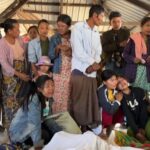
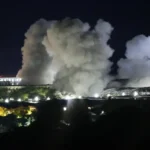
Myanmar has experienced decades of internal armed conflict, which has intensified in recent years. The ongoing civil war has resulted in widespread civilian suffering, displacement, economic decline, and the breakdown of essential public services.
This article applies the Six Sigma DMAIC framework (Define, Measure, Analyze, Improve, Control) to examine the crisis from a systems and process perspective, rather than a political or ideological one. The objective is to identify root causes, measure impacts, and explore sustainable paths toward stabilization and improvement.
DEFINE – Defining the Problem
Problem Statement
Myanmar’s prolonged internal conflict has led to:
Significant civilian casualties and human rights risks
Large-scale internal displacement and refugee flows
Severe economic contraction and rising poverty
Disruption of healthcare, education, and basic infrastructure
Key Stakeholders
Civilians and local communities
Ethnic minority populations
State and military institutions
Armed resistance and ethnic organizations
Neighboring countries
Humanitarian and international organizations
Critical-to-Quality (CTQ) Factors
Civilian safety and protection
Access to food, healthcare, and education
Political stability and rule of law
Economic livelihoods and social cohesion
Objective
To reduce civilian harm, displacement, and service disruption while improving stability, humanitarian access, and long-term conflict resolution mechanisms.
MEASURE – Assessing the Current State
Key Indicators
| Indicator | Current Condition |
|---|---|
| Civilian casualties | Persistently high |
| Internally Displaced Persons (IDPs) | Millions |
| Poverty levels | Rapidly increasing |
| School closures | Widespread |
| Healthcare access | Severely limited |
| Economic growth | Negative or stagnant |
| Infrastructure damage | Extensive |
Baseline Assessment
From a Six Sigma perspective, the system is operating with extreme variation and high failure rates, indicating deep structural instability rather than isolated problems.
ANALYZE – Identifying Root Causes
Political Factors
Concentration of power within military structures
Absence of inclusive political processes
Weak or fragmented civilian institutions
Social Factors
Long-standing ethnic grievances
Marginalization of minority groups
Breakdown of trust among communities
Economic Factors
Unequal distribution of resources
Impact of sanctions and capital flight
Collapse of investment and employment opportunities
Systemic and Operational Failures
Lack of a unified, credible conflict resolution mechanism
Limited coordination for humanitarian access
Information restrictions and communication breakdowns
Root Cause Summary
The conflict is not the result of a single failure. It is a systemic breakdown driven by political exclusion, economic decline, unresolved ethnic tensions, and ineffective governance structures.
IMPROVE – Designing Better Outcomes
Short-Term (Stabilization)
Humanitarian ceasefires
Protected and neutral aid corridors
Independent international monitoring
Medium-Term (Process Improvement)
Inclusive political dialogue involving all stakeholders
Decentralized or federal governance pilots
Restoration of basic services such as schools and clinics
Long-Term (System Redesign)
Transition toward a federal democratic structure
Clear civilian oversight of security institutions
Economic reintegration and development programs
Truth, accountability, and reconciliation mechanisms
Pilot-Based Approach
Consistent with Six Sigma methodology, limited pilots—such as localized ceasefires or community-led service delivery—can be tested, evaluated, and scaled based on measurable results.
CONTROL – Sustaining Progress
Control Mechanisms
Independent monitoring and reporting bodies
Continuous tracking of civilian harm and displacement
Key performance indicators for service restoration
Early-warning systems for conflict escalation
Continuous Improvement
Regular stakeholder reviews
Transparent public reporting
Adaptive humanitarian and governance responses
Conclusion
Applying the Six Sigma DMAIC framework to Myanmar’s crisis does not reduce human suffering to numbers. Instead, it provides:
A structured way to identify root causes
A data-driven understanding of impact
A focus on sustainable, long-term solutions
Myanmar’s conflict is fundamentally a system failure, not a temporary disruption. Addressing it requires disciplined analysis, inclusive processes, and sustained commitment to improvement and control—principles at the core of Six Sigma.
Op-Ed Disclaimer
Disclaimer:
This article presents an analytical perspective using the Six Sigma DMAIC framework.
It does not endorse any political party or armed group and is intended solely for educational, humanitarian, and policy discussion.
မြန်မာနိုင်ငံ၏ ဆက်လက်ဖြစ်ပွားနေသော အရေးအခင်း – Six Sigma (DMAIC) အမြင်ဖြင့် လေ့လာသုံးသပ်ခြင်း
နိဒါန်း
မြန်မာနိုင်ငံတွင် ဆယ်စုနှစ်များစွာအတွင်း ပြည်တွင်းလက်နက်ကိုင်ပဋိပက္ခများ ဖြစ်ပွားလာခဲ့ပြီး မကြာသေးမီနှစ်များအတွင်း အခြေအနေမှာ ပိုမိုပြင်းထန်လာခဲ့ပါသည်။ ဆက်လက်ဖြစ်ပွားနေသော ပြည်တွင်းစစ်ကြောင့် အရပ်သားပြည်သူများ အလွန်အမင်း ထိခိုက်နစ်နာမှုများ ရှိလာပြီး လူထုအိုးအိမ်စွန့်ခွာရမှု၊ စီးပွားရေးကျဆင်းမှုနှင့် အရေးပါသော ပြည်သူ့ဝန်ဆောင်မှုများ ပျက်စီးပြတ်တောက်မှုများ ဖြစ်ပေါ်လာခဲ့ပါသည်။
ဤဆောင်းပါးသည် နိုင်ငံရေး သို့မဟုတ် အယူဝါဒဆိုင်ရာ အမြင်ဖြင့် မဟုတ်ဘဲ Six Sigma DMAIC (Define, Measure, Analyze, Improve, Control) ဖရိမ်းဝေါ့ခ်ကို အသုံးပြုပြီး စနစ်နှင့် လုပ်ငန်းစဉ်အမြင်ဖြင့် မြန်မာနိုင်ငံ၏ အရေးအခင်းကို လေ့လာသုံးသပ်ထားပါသည်။ ရည်ရွယ်ချက်မှာ အခြေခံအကြောင်းရင်းများကို ဖော်ထုတ်ခြင်း၊ သက်ရောက်မှုများကို တိုင်းတာခြင်းနှင့် တည်ငြိမ်ရေးနှင့် တိုးတက်ရေးဆိုင်ရာ ရေရှည်တည်တံ့နိုင်သော လမ်းကြောင်းများကို စူးစမ်းရှာဖွေခြင်း ဖြစ်ပါသည်။
DEFINE – ပြဿနာ သတ်မှတ်ခြင်း
ပြဿနာဖော်ပြချက်
မြန်မာနိုင်ငံ၏ အချိန်ကြာမြင့်သော ပြည်တွင်းပဋိပက္ခများကြောင့်—
အရပ်သားသေဆုံးမှုများနှင့် လူ့အခွင့်အရေးအန္တရာယ်များ မြင့်မားလာခြင်း
အိမ်နေရပ်ရွှေ့ပြောင်းသူများနှင့် ဒုက္ခသည်များ အရေအတွက် အလွန်များပြားလာခြင်း
စီးပွားရေး ကျဆင်းမှု ပြင်းထန်ပြီး ဆင်းရဲမှု မြင့်တက်လာခြင်း
ကျန်းမာရေး၊ ပညာရေးနှင့် အခြေခံအဆောက်အအုံများ ပြတ်တောက်ပျက်စီးခြင်း
အဓိက အကျိုးသက်ရောက်ခံသူများ (Stakeholders)
အရပ်သားပြည်သူများနှင့် ဒေသခံအသိုင်းအဝိုင်းများ
တိုင်းရင်းသား လူနည်းစုအဖွဲ့များ
အစိုးရနှင့် စစ်ဘက်ဆိုင်ရာ အဖွဲ့အစည်းများ
လက်နက်ကိုင်တော်လှန်ရေးအဖွဲ့များနှင့် တိုင်းရင်းသားလက်နက်ကိုင်အဖွဲ့များ
အိမ်နီးချင်းနိုင်ငံများ
လူသားရေးရာနှင့် အပြည်ပြည်ဆိုင်ရာ အဖွဲ့အစည်းများ
အရည်အသွေးအရေးပါအချက်များ (CTQ – Critical to Quality)
အရပ်သားလုံခြုံရေးနှင့် ကာကွယ်ရေး
အစားအစာ၊ ကျန်းမာရေး၊ ပညာရေး ရရှိနိုင်မှု
နိုင်ငံရေးတည်ငြိမ်မှုနှင့် ဥပဒေစိုးမိုးမှု
စီးပွားရေးအသက်မွေးဝမ်းကျောင်းနှင့် လူမှုအဖွဲ့အစည်း တည်ငြိမ်မှု
ရည်မှန်းချက်
အရပ်သားထိခိုက်မှု၊ အိုးအိမ်စွန့်ခွာရမှုနှင့် ဝန်ဆောင်မှုပြတ်တောက်မှုများကို လျော့ချပြီး တည်ငြိမ်မှု၊ လူသားရေးရာအကူအညီရရှိနိုင်မှုနှင့် ရေရှည်ပဋိပက္ခဖြေရှင်းရေးစနစ်များကို မြှင့်တင်ရန်
MEASURE – လက်ရှိအခြေအနေကို တိုင်းတာခြင်း
အဓိကညွှန်းကိန်းများ
| ညွှန်းကိန်း | လက်ရှိအခြေအနေ |
|---|---|
| အရပ်သားသေဆုံးမှု | ဆက်လက်မြင့်မားနေ |
| အိမ်နေရပ်ရွှေ့ပြောင်းသူများ (IDPs) | သန်းနှင့်ချီ |
| ဆင်းရဲမှုအဆင့် | မြန်ဆန်စွာ တိုးလာ |
| ကျောင်းပိတ်ထားမှု | ကျယ်ပြန့် |
| ကျန်းမာရေးဝန်ဆောင်မှု | အလွန်ကန့်သတ် |
| စီးပွားရေးတိုးတက်မှု | အနုတ်လက္ခဏာ သို့မဟုတ် ရပ်တန့် |
| အခြေခံအဆောက်အအုံပျက်စီးမှု | ကျယ်ပြန့် |
အခြေခံအကဲဖြတ်ချက်
Six Sigma အမြင်အရ စနစ်တစ်ခုလုံးသည် အပြောင်းအလဲအလွန်များပြီး ပျက်ကွက်မှုနှုန်းမြင့်မားနေသော အခြေအနေတွင် လည်ပတ်နေပါသည်။ ဤအခြေအနေသည် သီးခြားပြဿနာများမဟုတ်ဘဲ ဖွဲ့စည်းပုံအဆင့်ဆင့်အရ မတည်ငြိမ်မှု ရှိနေကြောင်း ပြသပါသည်။
ANALYZE – အခြေခံအကြောင်းရင်းများ ခွဲခြမ်းစစ်ဆေးခြင်း
နိုင်ငံရေးဆိုင်ရာအချက်များ
စစ်ဘက်အဖွဲ့အစည်းအတွင်း အာဏာအလွန်အကျွံ စုစည်းထားမှု
ပါဝင်နိုင်မှုရှိသော နိုင်ငံရေးလုပ်ငန်းစဉ် မရှိခြင်း
အရပ်ဘက်အဖွဲ့အစည်းများ အားနည်းခြင်း သို့မဟုတ် ခွဲခြားနေခြင်း
လူမှုရေးဆိုင်ရာအချက်များ
အချိန်ကြာမြင့်လာသော တိုင်းရင်းသားအရေးပြဿနာများ
လူနည်းစုအဖွဲ့များ ချန်လှပ်ထားခံရမှု
အသိုင်းအဝိုင်းအကြား ယုံကြည်မှု ပျက်စီးမှု
စီးပွားရေးဆိုင်ရာအချက်များ
သယံဇာတများ မညီမျှစွာ ဖြန့်ဝေထားမှု
အရေးယူပိတ်ဆို့မှုများနှင့် ငွေရင်းအထွက်များ
ရင်းနှီးမြှုပ်နှံမှုနှင့် အလုပ်အကိုင်အခွင့်အလမ်း ပျက်စီးမှု
စနစ်နှင့် လုပ်ငန်းစဉ်ပိုင်းဆိုင်ရာ ပျက်ကွက်မှုများ
ယုံကြည်ရသော ပဋိပက္ခဖြေရှင်းရေးစနစ် မရှိခြင်း
လူသားရေးရာအကူအညီ ပို့ဆောင်မှု ညှိနှိုင်းမှု အားနည်းခြင်း
သတင်းအချက်အလက် ကန့်သတ်မှုနှင့် ဆက်သွယ်ရေးပျက်ကွက်မှု
အကြောင်းရင်းအကျဉ်းချုပ်
ဤပဋိပက္ခသည် တစ်ချက်တည်းကြောင့် ဖြစ်ပေါ်လာခြင်း မဟုတ်ပါ။ နိုင်ငံရေးချန်လှပ်မှု၊ စီးပွားရေးကျဆင်းမှု၊ မဖြေရှင်းနိုင်သေးသော တိုင်းရင်းသားအရေးများနှင့် အုပ်ချုပ်ရေးစနစ် အားနည်းမှုများကြောင့် ဖြစ်ပေါ်လာသော စနစ်တစ်ခုလုံး ပျက်စီးမှု ဖြစ်ပါသည်။
IMPROVE – ပိုမိုကောင်းမွန်သော ရလဒ်များ ဒီဇိုင်းရေးဆွဲခြင်း
ကာလတို (တည်ငြိမ်ရေး)
လူသားရေးရာအပစ်အခတ်ရပ်စဲရေး
အကာအကွယ်ရှိပြီး မျှတသော အကူအညီလမ်းကြောင်းများ
လွတ်လပ်သော အပြည်ပြည်ဆိုင်ရာ စောင့်ကြည့်မှု
ကာလအလယ် (လုပ်ငန်းစဉ်တိုးတက်ရေး)
အဖွဲ့အစည်းအားလုံး ပါဝင်သည့် နိုင်ငံရေးဆွေးနွေးမှု
ဒေသအလိုက် သို့မဟုတ် ဖက်ဒရယ်အုပ်ချုပ်ရေး စမ်းသပ်လုပ်ဆောင်မှုများ
ကျောင်း၊ ဆေးရုံကဲ့သို့ အခြေခံဝန်ဆောင်မှုများ ပြန်လည်ထူထောင်ခြင်း
ကာလရှည် (စနစ်ပြန်လည်ဒီဇိုင်း)
ဖက်ဒရယ် ဒီမိုကရေစီစနစ်သို့ ကူးပြောင်းရေး
လုံခြုံရေးအဖွဲ့အစည်းများအပေါ် အရပ်ဘက် စောင့်ကြည့်ထိန်းချုပ်မှု
စီးပွားရေး ပြန်လည်ပေါင်းစည်းရေးနှင့် ဖွံ့ဖြိုးရေးအစီအစဉ်များ
အမှန်တရား၊ တာဝန်ယူမှုနှင့် ပြန်လည်ညှိနှိုင်းရေး စနစ်များ
Pilot-based Approach
Six Sigma နည်းလမ်းအတိုင်း ဒေသအလိုက် အပစ်အခတ်ရပ်စဲရေး သို့မဟုတ် အသိုင်းအဝိုင်းဦးဆောင် ဝန်ဆောင်မှုများကဲ့သို့ စမ်းသပ်မှုများကို စမ်းသပ်၊ အကဲဖြတ်ပြီး တိုင်းတာနိုင်သော ရလဒ်အပေါ် အခြေခံ၍ တိုးချဲ့လုပ်ဆောင်နိုင်ပါသည်။
CONTROL – တိုးတက်မှုကို ထိန်းသိမ်းခြင်း
ထိန်းချုပ်ရေးနည်းလမ်းများ
လွတ်လပ်သော စောင့်ကြည့်နှင့် အစီရင်ခံရေးအဖွဲ့များ
အရပ်သားထိခိုက်မှုနှင့် အိုးအိမ်စွန့်ခွာရမှုများကို ဆက်လက်တိုင်းတာခြင်း
ဝန်ဆောင်မှု ပြန်လည်ရရှိမှုအတွက် အဓိကညွှန်းကိန်းများ
ပဋိပက္ခ ပြန်လည်ပြင်းထန်နိုင်မှုအတွက် ကြိုတင်သတိပေးစနစ်များ
ဆက်လက်တိုးတက်ရေး
အကျိုးသက်ရောက်ခံသူများနှင့် ပုံမှန်ပြန်လည်သုံးသပ်မှု
ပြည်သူ့သိရှိနိုင်သော ထင်ရှားသည့် အစီရင်ခံမှု
အခြေအနေနှင့် ကိုက်ညီစွာ ပြောင်းလဲနိုင်သော လူသားရေးရာနှင့် အုပ်ချုပ်ရေး တုံ့ပြန်မှုများ
နိဂုံးချုပ်
Six Sigma DMAIC ဖရိမ်းဝေါ့ခ်ကို အသုံးပြုခြင်းသည် လူသားဒုက္ခကို ကိန်းဂဏန်းများဖြင့်သာ လျှော့ချသတ်မှတ်ခြင်း မဟုတ်ပါ။ ထိုအစား—
အကြောင်းရင်းအမြစ်များကို စနစ်တကျ ဖော်ထုတ်နိုင်စေသည်
သက်ရောက်မှုများကို ဒေတာအခြေပြု နားလည်စေသည်
ရေရှည်တည်တံ့နိုင်သော ဖြေရှင်းနည်းများကို အလေးပေးစေသည်
မြန်မာနိုင်ငံ၏ ပဋိပက္ခသည် ယာယီပြဿနာမဟုတ်ဘဲ စနစ်တစ်ခုလုံး ပျက်ကွက်နေခြင်း ဖြစ်ပါသည်။ ၎င်းကို ဖြေရှင်းရန်အတွက် စနစ်တကျ လေ့လာသုံးသပ်မှု၊ ပါဝင်နိုင်သော လုပ်ငန်းစဉ်များနှင့် တိုးတက်မှုကို ဆက်လက်ထိန်းသိမ်းရန် အားထားရမည်ဖြစ်ပြီး ယင်းတို့သည် Six Sigma ၏ အခြေခံအချက်များဖြစ်ပါသည်။
အကြံပြုချက် (Disclaimer)
သတိပေးချက်:
ဤဆောင်းပါးသည် Six Sigma DMAIC ဖရိမ်းဝေါ့ခ်ကို အသုံးပြုထားသော ခွဲခြမ်းဆန်းစစ်ရေးအမြင်ဖြစ်ပါသည်။ မည်သည့်နိုင်ငံရေးပါတီ သို့မဟုတ် လက်နက်ကိုင်အဖွဲ့ကိုမျှ ထောက်ခံခြင်းမရှိဘဲ ပညာရေး၊ လူသားရေးရာနှင့် မူဝါဒဆိုင်ရာ ဆွေးနွေးမှုအတွက်သာ ရည်ရွယ်ရေးသားထားပါသည်။