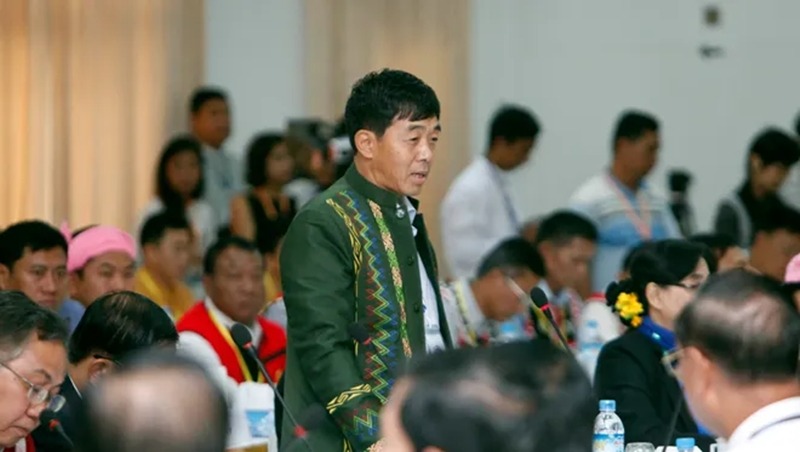
General Gun Maw — Leader of the Kachin Independence Army (KIA)
General Gun Maw is a senior military and political leader of the Kachin Independence Army (KIA), the armed wing of the Kachin Independence Organization (KIO). He is widely regarded as one of the most influential Kachin leaders in contemporary Myanmar, particularly during periods of intensified conflict between ethnic armed organizations and the Myanmar military.
Known for his firm stance on ethnic rights, federalism, and self-determination, General Gun Maw has played a major role in both armed resistance and political dialogue involving the Kachin people.
Early Life and Kachin Background
General Gun Maw was born into the Kachin ethnic community, one of Myanmar’s major ethnic nationalities concentrated in Kachin State and northern Shan State. Like many Kachin leaders, his early life was shaped by long-running conflict, militarization, and political struggle between ethnic forces and the central government.
Exposure to displacement, armed clashes, and political marginalization influenced his decision to join the Kachin resistance movement at a young age.
Joining the Kachin Independence Organization
The Kachin Independence Organization, founded in 1961, has long sought autonomy, equality, and federal reform within Myanmar. General Gun Maw rose through the ranks of the organization due to his military experience, strategic thinking, and ability to represent Kachin interests at both national and international levels.
Over time, he became one of the most recognizable faces of the KIO/KIA leadership.
Role in the Kachin Independence Army
As a senior commander of the Kachin Independence Army, General Gun Maw has been involved in:
Military coordination and defense strategy
Political communication with ethnic alliances
Engagement with peace negotiators and mediators
The KIA resumed large-scale fighting with the Myanmar military in 2011 after a 17-year ceasefire collapsed. Since then, General Gun Maw has been closely associated with the Kachin armed struggle and political resistance.
Position on Peace Talks and Federalism
General Gun Maw has consistently emphasized that peace in Myanmar requires:
A genuine federal political system
Equal rights for ethnic nationalities
Constitutional reform
He has been critical of ceasefire agreements that lack political guarantees. Unlike some ethnic leaders who signed the Nationwide Ceasefire Agreement (NCA), the KIA under KIO leadership chose not to sign, citing concerns about military offensives and lack of trust.
Role in Ethnic Alliances
General Gun Maw has represented the Kachin movement within broader ethnic alliances, including cooperation with:
Northern Alliance groups
Other non-NCA ethnic armed organizations
Pro-democracy and resistance forces after 2021
Following Myanmar’s 2021 military coup, the KIA intensified cooperation with resistance groups opposing military rule.
International Engagement and Public Presence
Unlike many armed leaders, General Gun Maw has maintained a visible public and diplomatic profile. He has given interviews to international media and spoken openly about:
Human rights violations in Kachin areas
Displacement of civilians
Airstrikes and military operations
His communication skills have made him one of the most internationally recognized Kachin leaders.
Leadership Style and Influence
General Gun Maw is often described as:
Direct and outspoken
Firm on political principles
Resistant to symbolic or superficial peace deals
Supporters view him as a defender of Kachin dignity and rights. Critics argue that prolonged conflict has increased suffering among civilians. These debates reflect the wider challenges facing ethnic armed movements in Myanmar.
Legacy and Ongoing Role
General Gun Maw remains an active and influential figure in Kachin resistance politics. His leadership continues to shape:
KIA military strategy
KIO political positioning
Inter-ethnic cooperation
As Myanmar’s conflict evolves, his role remains central to discussions on federalism, autonomy, and the future of ethnic politics.
Significance in Myanmar’s Ethnic Conflict
General Gun Maw’s career highlights the enduring struggle of the Kachin people for equality and self-governance. He represents a generation of ethnic leaders who reject incomplete reforms and demand structural political change.
❓ Frequently Asked Questions (FAQ)
1. Who is General Gun Maw?
He is a senior leader of the Kachin Independence Army and a key figure in Kachin politics.
2. What is the Kachin Independence Army?
The KIA is the armed wing of the Kachin Independence Organization.
3. Why did the KIA not sign the Nationwide Ceasefire Agreement?
The KIA cited continued military offensives and lack of political guarantees.
4. Is General Gun Maw involved in peace talks?
Yes, but he insists on meaningful political dialogue, not ceasefires alone.
5. What is his stance on federalism?
He strongly supports a genuine federal system with equal ethnic rights.
6. Is he still active today?
Yes, he remains active in KIA leadership and resistance coordination.