
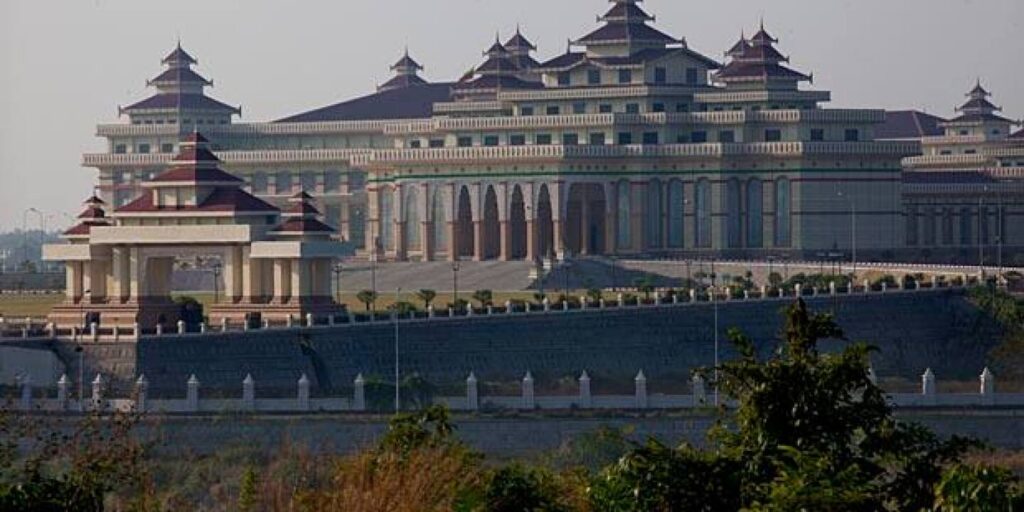
Government Ministries of Myanmar
Introduction
Government ministries of Myanmar form the backbone of the country’s public administration and policy implementation. Each ministry is responsible for specific sectors such as defense, foreign affairs, health, education, and economic development. Together, these ministries shape governance, public services, and the daily lives of Myanmar’s people.
Understanding Myanmar’s ministries provides insight into how the state functions, how decisions are made, and how national policies are executed across different sectors.
Structure of Government Ministries in Myanmar
Myanmar’s government ministries operate under the Union Government. Each ministry is headed by a minister and supported by deputy ministers, permanent secretaries, and departmental directors.
Key characteristics include:
Centralized administration
Nationwide implementation through regional offices
Coordination with state and regional governments
Ministries are primarily based in Naypyidaw, the administrative capital of Myanmar.
Major Government Ministries of Myanmar
Ministry of Foreign Affairs
Responsible for diplomacy, international relations, and representation of Myanmar abroad. This ministry manages embassies, consulates, and engagement with international organizations.
Ministry of Home Affairs
Oversees internal security, administration, and law enforcement. It plays a key role in maintaining public order and civil administration.
Ministry of Defence
Manages national defense, military affairs, and security strategy. It is one of the most influential ministries in Myanmar’s governance structure.
Ministry of Planning and Finance
Handles national budgeting, economic planning, taxation, and financial policy. This ministry plays a central role in economic development.
Ministry of Education
Responsible for schools, universities, curriculum development, and education policy across Myanmar.
Ministry of Health
Oversees public health services, hospitals, medical education, and disease prevention programs.
Ministry of Information
Manages state media, public communication, and information dissemination.
Ministry of Transport and Communications
Responsible for transportation infrastructure, telecommunications, and digital connectivity.
Role of Ministries in Public Administration
Government ministries translate national policies into practical actions. They:
Draft and implement laws and regulations
Deliver public services
Coordinate development projects
Engage with international partners
Effective ministry coordination is essential for national stability and development.
Ministries and Regional Administration
Although ministries are centrally managed, their work extends to states and regions through local offices. This allows national policies to be applied across Myanmar’s diverse geographic and ethnic landscape.
Challenges Facing Government Ministries
Myanmar’s ministries face several challenges, including:
Administrative capacity constraints
Political instability
Resource limitations
International relations pressures
Despite these challenges, ministries continue to function as core institutions of governance.
Ministries and International Engagement
Many ministries work closely with foreign governments, international organizations, and development partners. Cooperation often focuses on humanitarian aid, infrastructure, education, and health programs.
Importance of Understanding Myanmar’s Ministries
Knowing how Myanmar’s ministries operate helps citizens, researchers, journalists, and investors understand decision-making processes and government responsibilities.
FAQs (SEO Boost)
What are government ministries?
Government ministries are departments responsible for specific areas of public administration and policy.
How many ministries does Myanmar have?
The number of ministries can change over time due to government restructuring.
Where are Myanmar’s ministries located?
Most ministries are headquartered in Naypyidaw.
Who leads a government ministry in Myanmar?
Each ministry is led by a minister appointed by the government.