Thadingyut


Introduction
Thadingyut, widely known as the Festival of Lights, is one of Myanmar’s most cherished cultural and religious celebrations. Held annually at the end of the Buddhist Lent, the festival marks the descent of the Buddha from the celestial realm after preaching to his mother.
During Thadingyut, cities, towns, and villages across Myanmar are illuminated with candles, lanterns, and colorful lights. Families gather, young people pay respect to elders, and communities celebrate with joy and gratitude.
For visitors and locals alike, Thadingyut offers a beautiful blend of spirituality, tradition, and festive atmosphere.
When Is Thadingyut Celebrated?
Thadingyut takes place in the Myanmar month of Thadingyut, which usually falls in October according to the Gregorian calendar.
The festival lasts for three days:
The day before the full moon
The full moon day
The day after the full moon
The full moon day is the most significant and often a public holiday in Myanmar.
Religious Significance
Thadingyut commemorates a story from Buddhist tradition. According to legend, the Buddha ascended to Tavatimsa Heaven to teach the Abhidhamma (higher teachings) to his mother, who had been reborn there. After three months, he returned to Earth on the full moon of Thadingyut.
To welcome him back, people lit candles and lanterns, symbolizing enlightenment and gratitude.
The lighting of homes and streets during Thadingyut represents:
Reverence for the Buddha
The dispelling of darkness and ignorance
Spiritual awakening
Traditions and Customs
Paying Respect to Elders
One of the most important traditions during Thadingyut is asking for forgiveness from parents, grandparents, teachers, and elders.
Young people:
Kneel before elders
Offer gifts or small donations
Ask for blessings and forgiveness
In return, elders give blessings and sometimes small monetary gifts.
Lighting Homes and Streets
During Thadingyut, houses, pagodas, and public buildings are decorated with:
Oil lamps
Candles
Electric lights
Paper lanterns
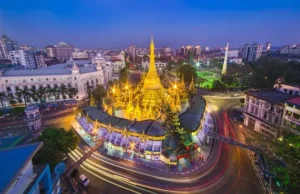
Major cities like Yangon and Mandalay become vibrant with colorful displays.
Visiting Pagodas
Many families visit pagodas to:
Make merit
Offer flowers and candles
Participate in prayer ceremonies
Important pagodas across Myanmar attract large crowds during this period.
Celebrations Across Myanmar
Thadingyut is celebrated nationwide, but the atmosphere varies by region.
In Yangon
Streets are filled with decorative lights and festive markets. Many businesses host events and offer special promotions.
In Mandalay
Religious observances are particularly prominent. Monasteries organize ceremonies, and communities gather for cultural performances.
In Smaller Towns
Celebrations feel intimate and community-centered, with neighbors sharing food and lighting candles together.
Food and Festive Atmosphere
Like many Myanmar festivals, Thadingyut includes special foods and treats.
Popular items include:
Traditional snacks
Sweet desserts
Seasonal fruits
Tea and shared meals
The festival atmosphere combines reverence with joy, creating a warm and welcoming environment.
Cultural Importance
Thadingyut plays an important role in reinforcing:
Family bonds
Respect for elders
Religious devotion
Community unity
It is one of the most meaningful times of the year for many Myanmar families.
The festival also serves as a reminder of forgiveness, humility, and gratitude.
Thadingyut and Tourism
For international visitors, Thadingyut offers a unique opportunity to witness Myanmar’s cultural traditions in full expression.
Travelers can:
Experience illuminated streets
Visit decorated pagodas
Observe traditional customs
Engage respectfully with local communities
However, visitors should dress modestly and be mindful of religious sensitivities.
How Thadingyut Differs from Other Festivals
Unlike Thingyan, which is lively and water-based, Thadingyut is calmer and more spiritual.
While both are major festivals, Thadingyut emphasizes:
Light
Gratitude
Reflection
Respect
Modern Celebrations
In recent years, Thadingyut has evolved to include:
LED decorations
Community concerts
Charity events
Public performances
Despite modernization, the festival retains its religious core and traditional values.
Why Thadingyut Matters
Thadingyut is more than a visual spectacle. It represents:
Spiritual enlightenment
Family reconciliation
Cultural continuity
National identity
For Myanmar.com’s Culture section, Thadingyut stands as one of the country’s most significant annual celebrations.
FAQs About Thadingyut Festival
1. What is Thadingyut Festival?
Thadingyut is Myanmar’s Festival of Lights, marking the Buddha’s return from heaven after teaching his mother.
2. When is Thadingyut celebrated?
It is celebrated around October during the full moon of the Myanmar month of Thadingyut.
3. Why are lights used during the festival?
Lights symbolize enlightenment and the welcoming of the Buddha’s return to Earth.
4. Is Thadingyut a public holiday?
Yes, the full moon day of Thadingyut is usually a public holiday in Myanmar.
5. What customs are practiced during Thadingyut?
Young people ask elders for forgiveness and blessings, and homes are decorated with lights.
6. Is Thadingyut similar to Diwali?
While both are festivals of lights, Thadingyut is rooted in Buddhist tradition and specific to Myanmar.
7. Can tourists participate in Thadingyut?
Yes, visitors can observe and respectfully participate in celebrations across Myanmar.