Bagan Travel Guide
Everything You Need to Know Before Visiting Bagan
Bagan is Myanmar’s most iconic destination—an ancient plain scattered with thousands of pagodas, temples, and stupas that glow at sunrise and sunset. This guide covers when to go, what to see, where to stay, how to get around, and practical tips so you can plan a smooth, memorable trip.
🌍 Why Visit Bagan?
One of Southeast Asia’s greatest archaeological landscapes
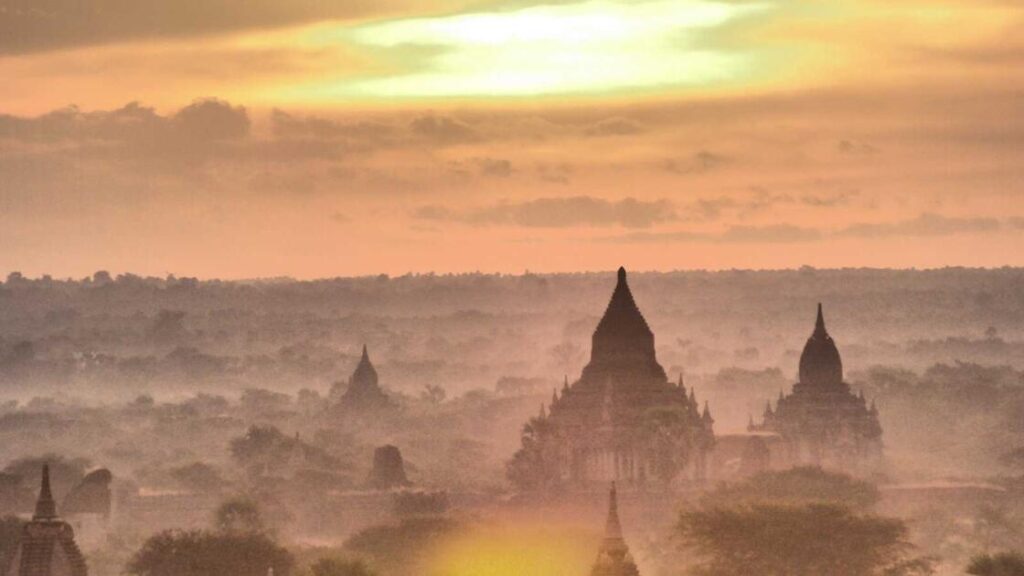
Incredible sunrises/sunsets and panoramic viewpoints
Unique experiences like hot air balloon rides (seasonal)
Calm, spiritual atmosphere unlike anywhere else
📅 Best Time to Visit
November–February is ideal: cooler, dry weather and clear skies.
March: hotter, fewer crowds
April–May: extremely hot (Thingyan festival in April)
June–September: monsoon; greener, quieter, but muddy paths
Tip: Start sightseeing early morning and late afternoon year-round.
🛕 Top Things to Do in Bagan
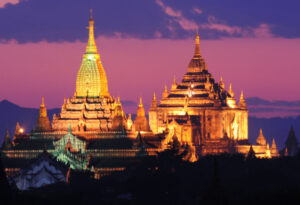
Temple hopping – Highlights include Ananda Temple and Dhammayangyi
Sunrise & sunset viewing – Use designated viewpoints (climbing temples is restricted)
Hot air balloon ride – Best Nov–Feb (book early)
E-bike cycling – The easiest way to explore the plains
Boat ride on the Irrawaddy River – Peaceful sunset perspectives
Bagan Archaeological Museum – Context for what you’re seeing
🗺️ Areas to Stay
Old Bagan: Closest to major temples; limited hotels, higher prices
New Bagan: Good mid-range options, restaurants, quieter nights
Nyaung U: Budget-friendly, lively local feel, airport nearby
🏨 Where to Stay
Bagan has options for every budget—from luxury resorts with temple views to comfortable guesthouses. For a curated list, see Top Hotels in Bagan (link internally to your hotel post).
🚕 Getting There & Around
Getting to Bagan
Flight: Nyaung U Airport (short hops from Yangon/Mandalay)
Bus: Overnight buses are common and affordable
Train: Scenic but slow
Getting Around
E-bike: Most popular and flexible
Taxi/driver: Good for families or heat-sensitive travelers
Bicycle: Budget option; tiring in the heat
🍽️ Food & Dining
Try Burmese classics like tea leaf salad (lahpet thoke), shan noodles, and grilled river fish. New Bagan and Nyaung U have the widest restaurant choice.
🎎 Culture, Dress & Etiquette
Dress modestly at temples (covered shoulders/knees)
Remove shoes/socks before entering
Be respectful—Bagan is a living spiritual site
💡 Practical Tips
Entry fee: Bagan Archaeological Zone pass (check current rates)
Sun protection: Hat, sunscreen, water—there’s little shade
Cash: ATMs exist, but carry small bills
Connectivity: SIM cards are cheap and reliable
🧭 Suggested Itineraries
1 Day: Sunrise → key temples → museum → sunset
2 Days: Add river cruise + wider temple loop
3 Days: Balloon ride (seasonal) + villages + relaxed pace
❓ FAQs
Is Bagan safe? Yes, very safe for travelers.
Can I climb temples? No—climbing is restricted to protect the site.
How many temples are there? Over 2,000 remain visible today.
✨ Final Thoughts
Bagan isn’t just a place you visit—it’s an experience you feel. Whether you’re chasing sunrises, history, or quiet moments among ancient pagodas, Bagan rewards travelers who slow down and explore thoughtfully.