Introduction
Myanmar offers diverse landscapes, from ancient temple plains and cultural cities to cool highlands and tropical beaches. Choosing the right time to visit can greatly affect comfort, costs, and travel experiences. This guide explains the best time to visit Myanmar by season, highlights regional differences, and provides practical tips to help you plan a smooth and enjoyable trip.
Overview of Myanmar’s Seasons
Myanmar has three main seasons, each with distinct weather patterns that influence travel.
🌤️ Cool & Dry Season (November – February)
This is widely considered the best time to visit Myanmar.
What to expect
Pleasant temperatures
Low humidity
Minimal rainfall
Best for
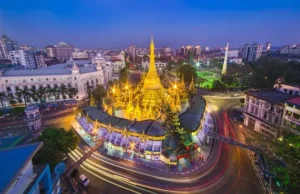
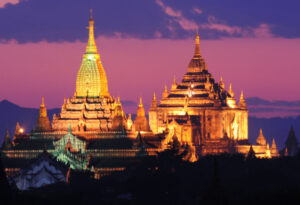
Sightseeing in Bagan, Yangon, Mandalay
Cultural travel and walking tours
Inle Lake boat trips
This season attracts the most visitors, so hotel prices are higher and popular destinations book quickly.
🔥 Hot Season (March – May)
Temperatures rise sharply, especially in central Myanmar.
What to expect
Very hot afternoons
Dry weather
Fewer tourists
Best for
Budget travelers
Short city stays
Early-morning and evening sightseeing
Travel is still possible, but midday sightseeing can feel exhausting without breaks.
🌧️ Rainy Season (June – October)
The southwest monsoon brings frequent rain, especially in coastal and southern regions.
What to expect
Short but heavy rain showers
Lush green landscapes
Lower hotel rates
Best for
Fewer crowds
Photography
Budget-friendly travel
Road conditions in rural areas may be affected, but major cities remain accessible.
Best Time to Visit Myanmar by Region
🏯 Central Myanmar (Bagan, Mandalay)
Best: November – February
Avoid peak heat: April
Cooler months make temple exploration and walking much more comfortable.
🌄 Shan State & Inle Lake
Best: November – February
Good alternative: October
Evenings can be cool, especially in winter, so light jackets are useful.
🌆 Yangon & Lower Myanmar
Best: December – February
Rainy season: June – September
Humidity is high year-round, but cooler months offer better walking conditions.
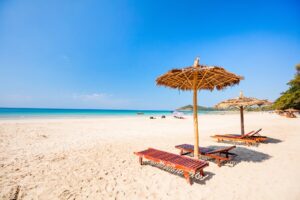
🏖️ Ngapali Beach
Best: November – April
Avoid: June – September (rough seas, limited services)
Beach resorts operate fully during the dry season.
Festivals & Events (Best Times to Experience Culture)
🎉 Thingyan Water Festival (April)
Marks the Burmese New Year
Celebrated nationwide
Fun but extremely hot
🕯️ Thadingyut Festival (October)
Festival of Lights
Cooler weather begins
Beautiful night celebrations
🪔 Tazaungdaing Festival (November)
Hot air balloons in Taunggyi
One of Myanmar’s most photogenic festivals
Festivals add cultural depth but increase crowd levels.
Cheapest Time to Visit Myanmar
The rainy season (June – September) usually offers:
Lower hotel prices
Fewer tourists
More flexible bookings
This period suits travelers who prioritize savings and don’t mind occasional rain.
Travel Tips by Season
Dry season: Book hotels early
Hot season: Sightsee early morning and evening
Rainy season: Carry rain gear and flexible schedules
Light, breathable clothing works year-round, with modest dress required at religious sites.
Conclusion
The best time to visit Myanmar is November to February, when weather conditions are most comfortable across the country. However, each season offers unique advantages depending on travel style, budget, and destination. With thoughtful planning, Myanmar remains rewarding throughout the year.
Frequently Asked Questions (FAQs)
1. What is the best month to visit Myanmar?
December and January offer the most comfortable weather nationwide.
2. Is Myanmar safe to visit year-round?
Travel conditions vary by region, but weather-wise Myanmar is accessible year-round.
3. Can I visit Myanmar during the rainy season?
Yes, especially major cities, though some rural areas may be harder to reach.
4. Is April a good time to visit Myanmar?
April is very hot, but cultural festivals like Thingyan attract visitors.
5. When is the cheapest time to visit Myanmar?
June to September typically offers the lowest prices.
6. What should I pack for Myanmar?
Light clothing, sun protection, rain gear, and modest attire for temples.