Nature & Trekking in Myanmar: Mountains, Trails, and National Parks
Nature and trekking in Myanmar offer travelers a chance to explore one of Southeast Asia’s most diverse and least crowded natural landscapes. From misty mountain ranges and dense forests to remote hill-tribe villages and protected national parks, Myanmar is ideal for hikers, nature lovers, and adventure travelers seeking authentic outdoor experiences.
Unlike heavily commercialized trekking destinations, Myanmar’s trails remain peaceful and culturally rich, providing meaningful connections with local communities and pristine environments.
Why Choose Myanmar for Nature and Trekking?
Myanmar’s geography includes mountains, rivers, plateaus, and tropical forests. Large areas remain untouched, making trekking experiences feel raw and immersive.
Key reasons include:
Low tourist density on trekking routes
Diverse ethnic cultures and village life
Scenic landscapes and wildlife
Affordable guided treks
Year-round trekking options in different regions
Trekking in Myanmar often combines nature exploration with cultural exchange.
Top Trekking and Nature Destinations in Myanmar
Kalaw to Inle Lake Trek
The Kalaw to Inle Lake trek is Myanmar’s most famous trekking route. It typically takes two to three days and passes through hills, farms, and ethnic minority villages.
Highlights:
Scenic mountain views
Overnight stays in local villages
Cultural interaction with Pa-O and Danu communities
Arrival at Inle Lake by boat
This trek suits both beginners and experienced hikers.
Putao and Northern Myanmar
Putao, located in Kachin State, is one of Myanmar’s most remote trekking destinations. Surrounded by snow-capped mountains and untouched forests, it offers true adventure travel.
Highlights:
Himalayan foothills
Rare wildlife and bird species
Remote villages and glaciers
Limited tourism and pristine nature
Putao is best for experienced trekkers and expedition travelers.
Chin State and Mount Victoria
Chin State offers rugged landscapes and cultural trekking experiences. Mount Victoria (Nat Ma Taung) is the highest peak in Chin State and a protected national park.
Highlights:
Dramatic mountain scenery
Traditional Chin villages
Rich biodiversity
Cooler climate
This region remains one of Myanmar’s least explored trekking areas.
Shan State Highlands
Shan State provides gentle trekking routes with rolling hills, tea plantations, and lakes.
Popular areas include:
Hsipaw
Pindaya
Inle Lake surroundings
Shan State treks are ideal for first-time trekkers and nature lovers.
National Parks and Natural Attractions
Myanmar has several protected areas suitable for nature exploration:
Nat Ma Taung National Park
Alaungdaw Kathapa National Park
Hkakabo Razi National Park
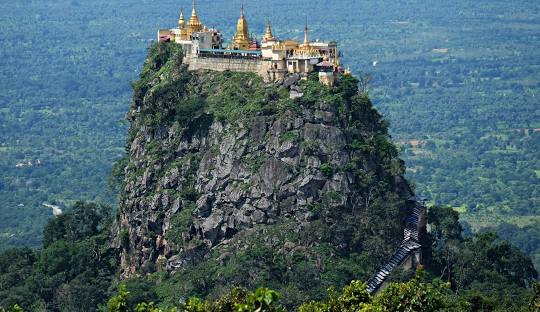
Popa Mountain Park
These parks protect forests, wildlife, and sacred natural sites.
Best Time for Nature and Trekking in Myanmar
The best trekking season is November to February, when temperatures are cooler and rainfall is low.
November–February: Ideal trekking conditions
March–April: Hot but manageable in highlands
May–October: Monsoon season; limited trekking
Always check local conditions before planning a trek.
Trekking Activities and Experiences
Nature and trekking in Myanmar include:
Multi-day guided treks
Day hikes and village walks
Wildlife and birdwatching
Photography and nature exploration
Cultural homestays
Most treks require local guides, which supports community tourism.
Practical Tips for Trekking in Myanmar
Hire licensed local guides
Wear proper hiking shoes
Carry sufficient water and snacks
Respect local customs and traditions
Avoid trekking alone in remote areas
Permits may be required in some regions.
Sustainable and Responsible Trekking
Responsible trekking helps protect Myanmar’s fragile ecosystems.
Travelers should:
Minimize waste and plastic use
Stay on marked trails
Support local guides and villages
Respect wildlife and sacred sites
Sustainable trekking ensures long-term benefits for local communities.
Conclusion
Nature and trekking in Myanmar offer unforgettable experiences for travelers seeking adventure, culture, and untouched landscapes. From gentle hill walks in Shan State to challenging expeditions in the far north, Myanmar provides diverse trekking options for all skill levels.
For nature lovers looking beyond mainstream destinations, Myanmar remains one of Southeast Asia’s most rewarding trekking countries.
FAQs: Nature & Trekking in Myanmar
1. Is trekking in Myanmar safe for tourists?
Yes, trekking is generally safe when done with licensed local guides.
2. Do I need a guide for trekking in Myanmar?
Yes, guides are recommended and often required, especially for multi-day treks.
3. What is the most popular trek in Myanmar?
The Kalaw to Inle Lake trek is the most popular.
4. What should I pack for trekking in Myanmar?
Hiking shoes, light clothing, rain protection, sunscreen, and insect repellent.
5. Are trekking permits required in Myanmar?
Some regions require permits, which guides usually arrange.
6. Can beginners go trekking in Myanmar?
Yes, many treks in Shan State are suitable for beginners.