New Light of Myanmar
Introduction
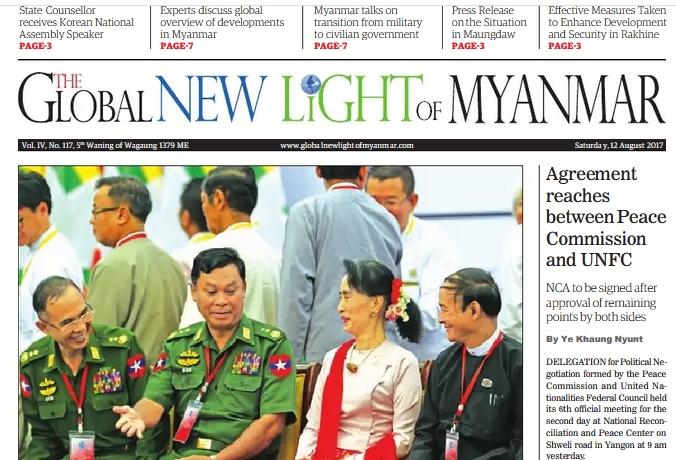
New Light of Myanmar is a long-established English-language daily newspaper in Myanmar. It is widely recognized as one of the country’s most prominent state-owned publications and has played an important role in Myanmar’s modern media history. For decades, the newspaper has served as an official channel for government announcements, public notices, and coverage of national affairs, while also reporting on international news, diplomacy, and social topics.
As Myanmar’s best-known English-language newspaper, New Light of Myanmar has historically been used as a reference source by diplomats, researchers, journalists, and international organizations seeking insight into official positions and public communications originating from the country. Its long publication history makes it a notable institution within Myanmar’s media landscape.
Background and Establishment
New Light of Myanmar was established during a period when English-language media was viewed as an important tool for communication with the international community. From its early years, the newspaper was designed to present official information in English, making government policies, statements, and national developments accessible to foreign governments, international media, and overseas readers.
The publication emerged as part of a broader state media framework that included newspapers in Burmese and other formats intended for domestic audiences. While Burmese-language newspapers primarily served the general population, New Light of Myanmar filled a distinct role by addressing English-speaking readers both inside and outside the country.
Over time, the newspaper evolved in format and presentation, reflecting changes in printing technology, design standards, and media consumption habits. Despite these changes, its core purpose as an official English-language publication has remained consistent.
Ownership and Management
New Light of Myanmar is a state-owned newspaper, operating under government oversight. Its ownership structure places it within Myanmar’s public media system, alongside other state-run newspapers and broadcasters.
Because of this ownership model, the newspaper has traditionally reflected official viewpoints and policy positions. Editorial decisions, content priorities, and coverage focus have historically aligned with government communications, particularly during periods of centralized administration.
State ownership has also influenced the newspaper’s role as a platform for formal announcements, including legislation, official statements, diplomatic communications, and national policy updates.
Editorial Role and Content Focus
The editorial content of New Light of Myanmar has typically centered on:
Government announcements and official statements
National political developments
Economic policies and infrastructure projects
Diplomatic relations and international cooperation
Cultural events and national celebrations
Social initiatives and public programs
In addition to domestic news, the newspaper has consistently included international coverage, particularly relating to regional diplomacy, global organizations, and foreign relations involving Myanmar.
Opinion pieces and editorials have generally reflected official perspectives rather than independent commentary, consistent with its role as a state publication.
Language and Audience
New Light of Myanmar is published primarily in English, distinguishing it from most other major newspapers in the country, which are produced in Burmese.
Its target audience has historically included:
Foreign diplomats and embassies
International journalists and analysts
Overseas investors and business communities
Academic researchers and institutions
English-speaking residents within Myanmar
The use of English has positioned the newspaper as an outward-facing communication channel, particularly during periods when Myanmar’s international engagement was limited or closely monitored.
Distribution and Format
Traditionally, New Light of Myanmar was distributed in print form across major cities and administrative centers. Copies were commonly available in government offices, hotels, embassies, and public institutions.
With the growth of digital media, the newspaper expanded its presence online, making selected articles and issues accessible through official websites and digital platforms. This transition reflected broader changes in media consumption patterns, as readers increasingly turned to online sources for news and information.
Despite shifts toward digital formats, the print edition has remained symbolically important as part of Myanmar’s official media infrastructure.
Role in Myanmar’s Media Landscape
Within Myanmar’s diverse media environment, New Light of Myanmar occupies a unique position. Unlike private newspapers or independent online outlets, it functions primarily as an institutional voice rather than a commercial or investigative publication.
Its role can be understood as complementary to other media types:
State media: Official communication and public information
Private newspapers: Commercial news reporting and commentary
Independent outlets: Investigative journalism and alternative perspectives
Because of this distinction, New Light of Myanmar is often referenced for understanding official narratives and policy positions, rather than as a source of independent analysis.
Public Perception and International Observations
Public perception of New Light of Myanmar has varied over time and across audiences. Domestically, it has been viewed as a formal and institutional publication, closely associated with government communications. Internationally, it has often been cited as a reference source for official statements rather than as an independent newspaper.
Media analysts and international observers have generally described the publication as government-aligned, particularly during periods of military administration. This characterization reflects its ownership structure and editorial approach rather than the professional standards of its production.
Despite differing perceptions, the newspaper’s historical significance and long publication record continue to make it a relevant reference point in discussions about Myanmar’s media system.
Relationship to Political Figures and Events
Throughout its history, New Light of Myanmar has reported extensively on national leaders, political figures, and major events. Coverage has included official speeches, state visits, national ceremonies, and policy announcements involving prominent individuals in Myanmar’s political life.
As an official publication, such coverage has typically emphasized formal roles, institutional processes, and state perspectives rather than personal narratives or critical analysis.
This reporting style has made the newspaper a commonly cited source for verifying dates, statements, and official actions in academic and historical contexts.
Digital Era and Continuing Relevance
In the digital era, New Light of Myanmar faces challenges common to many traditional newspapers, including changing reader habits, competition from online media, and evolving expectations for transparency and diversity of viewpoints.
Nevertheless, its continued operation reflects the ongoing importance of official communication channels in Myanmar. For researchers and readers seeking insight into state positions and public policy announcements, the newspaper remains a relevant source.
Its digital presence has also increased accessibility for international audiences, allowing historical and contemporary content to be consulted more easily than in the past.
Conclusion
New Light of Myanmar stands as one of the most enduring institutions in Myanmar’s English-language media history. As a state-owned newspaper, it has played a consistent role in communicating official information, documenting national events, and presenting Myanmar’s perspectives to the international community.
While its editorial approach differs from that of independent or private media outlets, its historical value and institutional significance remain notable. Understanding New Light of Myanmar provides important context for anyone studying Myanmar’s media system, political communication, or modern history.