
India–KIA Cooperation: Trade Routes, Security, and Regional Concerns
Developing New Transport Corridors
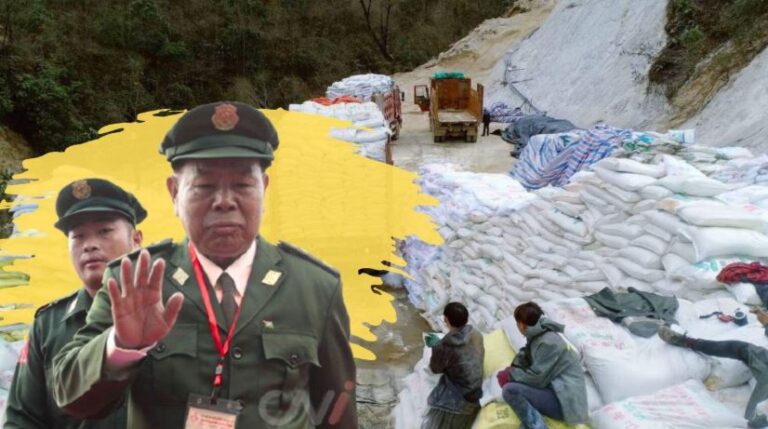
According to regional sources, India and the Kachin Independence Army (KIA) are exploring a plan to open a second trade route. This corridor would connect the KIA’s headquarters in Laiza, pass through Sagaing Region, and reach Rihkhawdar in Chin State on the India–Myanmar border. Supporters of the initiative say it could allow long-term transportation of natural resources such as oil, gas, timber, and minerals.
Some reports claim that informal networks already used for timber smuggling may be used to support road building and logistics. These claims are difficult to independently verify and should be approached with caution.
Militarized Cooperation and Security Interests
India has provided various kinds of assistance to the KIA over many years. Publicly discussed aid includes humanitarian and medical support delivered across the Indian border in Arunachal Pradesh. Other sources claim that military supplies are also involved, but these reports are not officially confirmed by either government.
In return, some analysts say the KIA has taken steps to limit armed groups that operate against Indian interests near the border, including factions of the National Socialist Council of Nagaland (NSCN). The broader goal for India is to reduce cross-border violence and protect its northeastern states.
Certain Indian politicians have publicly expressed historical territorial claims over border regions such as the Kabaw Valley or parts of Chin State. These statements do not reflect Myanmar’s official position and remain politically sensitive. There are also concerns among Myanmar observers about India’s influence on political processes in Myanmar; however, evidence for election interference is unclear and disputed.
Myanmar’s Sovereignty and International Law
A Yangon-based international relations expert argues that foreign governments must avoid actions that interfere in Myanmar’s internal affairs. International norms, such as Article 2(4) of the UN Charter, discourage involvement in the internal politics of sovereign states.
Myanmar’s legal structure gives the central government authority over natural resources. Some observers believe that direct agreements between foreign governments and ethnic armed organizations may weaken the authority of the Union government and complicate ongoing peace efforts.
The 2015 Nationwide Ceasefire Agreement (NCA) was designed to create a political framework for resolving conflicts with ethnic armed groups. External economic or military partnerships that bypass this framework can make negotiations more difficult.
Myanmar authorities have repeatedly stated that road building, mining, or cross-border resource trade within Myanmar require official approval. Activities that occur without government authorization may be considered unlawful by state institutions.
Regional Stability and Future Outlook
Myanmar is facing both political and economic challenges. Cooperation between foreign governments and armed groups can create new opportunities, but it also carries risks. Resource corridors may stimulate trade and development, yet they can also intensify competition between different groups, weaken trust, and trigger new conflicts.
To maintain regional stability, many experts recommend transparency, international oversight, and respect for national sovereignty. Neighboring countries, ethnic organizations, and Myanmar’s government will need strong communication channels to prevent misunderstandings from escalating into larger crises.
FAQ
1. What is the KIA?
The Kachin Independence Army (KIA) is an ethnic armed organization based mainly in Kachin State. It operates in northern Myanmar and maintains its own administrative structures in some areas.
2. Why is India interested in new transport corridors?
India seeks secure trade routes and access to natural resources. Transport corridors can also strengthen its connectivity to Southeast Asia through its “Act East” policy.
3. Does Myanmar’s government approve these projects?
Myanmar authorities insist that any road building, mining, or cross-border trade must be approved by the government. Activities without approval can be considered unlawful.
4. Are there confirmed military agreements between India and the KIA?
Some reports mention military aid, but official confirmation from governments is limited. Most claims come from analysts or anonymous sources.
5. Could these trade routes affect Myanmar’s sovereignty?
Yes. When foreign states deal directly with ethnic armed groups, it may bypass the Union government and create tensions over legal authority, resource ownership, and territorial control.
Related posts:
 REBELS DOWN MYANMAR JF-17 FIGHTER JET IN ATTACK
 CHINA’S BELT AND ROAD IN SOUTHEAST ASIA: A COMPARATIVE LOOK AT MYANMAR, LAOS, AND CAMBODIA
 Myanmar Refugees in Thailand Face Uncertain Future as Aid Decreases
 China Executes 16 Tied to Myanmar Crime Syndicate
 MYANMAR KAMIKAZE DRONE DOWNED IN THAILAND
 Myanmar Opium Poppy Farming Surges Amid Conflict