
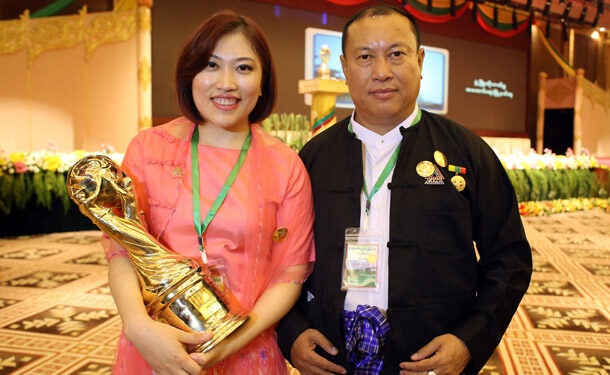
Aung Ko Win: Founder of KBZ Group and Myanmar Banker
Aung Ko Win is one of Myanmar’s most influential business figures and the founder of KBZ Group (Kanbawza Group), the country’s largest privately owned conglomerate. Best known for establishing KBZ Bank, Myanmar’s leading private bank, he has played a central role in shaping the nation’s financial sector, private enterprise development, and philanthropy over several decades.
His rise reflects the transformation of Myanmar’s economy from a tightly controlled system to a more diversified private-sector landscape, while also highlighting the challenges of operating large businesses amid political change and international scrutiny.
Early Life and Background
Aung Ko Win was born in 1949 in Shan State, Myanmar. He began his professional life as a geologist, working in the mining sector—an experience that introduced him to natural resources, regional trade, and entrepreneurship.
His early exposure to frontier markets and regional commerce shaped his business instincts and laid the foundation for future ventures beyond mining.
Entry Into Business
Early Ventures
In the late 1980s and early 1990s, Aung Ko Win transitioned from mining into broader business activities. He founded Kanbawza Group, initially focusing on:
Trading and extraction
Manufacturing and logistics
Regional commerce
As Myanmar gradually opened parts of its economy, Kanbawza Group expanded rapidly, benefiting from growing demand for financial services and consumer markets.
Establishment of KBZ Group
Growth Into a Conglomerate
KBZ Group evolved into a diversified conglomerate with interests across:
Banking and financial services
Insurance
Aviation
Hospitality and tourism
Manufacturing and trading
Telecommunications-related services
The group’s expansion mirrored Myanmar’s gradual shift toward a mixed economy with increasing private participation.
KBZ Bank and Financial Sector Leadership
Founding of KBZ Bank
The establishment of KBZ Bank marked a turning point in Aung Ko Win’s career. The bank grew to become Myanmar’s largest private bank by assets and branch network, providing services such as:
Retail and corporate banking
SME financing
Mobile and digital banking
Cross-border financial services
KBZ Bank played a key role in improving financial inclusion and modern banking access across Myanmar.
Financial Innovation
Under Aung Ko Win’s leadership, KBZ Group introduced:
Digital payment platforms
Microfinance services
Insurance products for underserved communities
These initiatives helped modernize Myanmar’s financial ecosystem.
Aviation, Insurance, and Diversification
Beyond banking, KBZ Group expanded into:
KBZ Air and aviation services
KBZ Insurance, one of Myanmar’s largest insurers
Hospitality projects, including hotels and resorts
This diversification reduced reliance on any single sector and strengthened the group’s national presence.
Philanthropy and Social Contributions
KBZ Foundation
Aung Ko Win is widely recognized for his philanthropic efforts through the KBZ Foundation, which focuses on:
Healthcare and hospitals
Education and scholarships
Disaster relief and emergency response
Community development
KBZ Foundation has played a major role in responding to natural disasters and public health emergencies in Myanmar.
Relationship With Government and Regulation
As a leading business figure, Aung Ko Win has operated across multiple political eras. While KBZ Group has worked closely with regulatory authorities, it is often viewed as more institutionally focused than politically aligned, especially compared to infrastructure-heavy conglomerates.
This positioning has helped KBZ maintain relative resilience during periods of reform and crisis.
International Engagement and Challenges
Sanctions and Compliance
Myanmar’s political instability and international sanctions have posed challenges for financial institutions. KBZ Group has had to:
Strengthen compliance frameworks
Adjust international partnerships
Focus on domestic market stability
These constraints illustrate the vulnerability of financial institutions to geopolitical developments.
Role During Myanmar’s Reform Period
During the reform era (2011–2020), KBZ Group benefited from:
Increased economic activity
Financial liberalization
Rising consumer demand
KBZ Bank became a cornerstone of Myanmar’s private financial sector during this period.
Post-2021 Business Environment
After 2021, Myanmar’s business climate became significantly more challenging. For KBZ Group, priorities shifted toward:
Risk management
Domestic financial stability
Continuity of essential services
Despite difficulties, KBZ remains a central pillar of Myanmar’s banking system.
Legacy and Historical Significance
Aung Ko Win’s legacy is closely tied to:
The modernization of Myanmar’s banking sector
Expansion of private enterprise
Institutional philanthropy
He is often viewed as a banker-entrepreneur rather than a politically driven tycoon.
Why Aung Ko Win Matters Today
Understanding Aung Ko Win is essential to understanding:
Myanmar’s private banking evolution
Financial inclusion efforts
The role of philanthropy in business leadership
His career demonstrates how financial institutions can shape national development even in unstable political environments.
❓ Frequently Asked Questions (FAQ)
1. Who is Aung Ko Win?
Aung Ko Win is a Myanmar business leader and founder of KBZ Group and KBZ Bank.
2. What is KBZ Group?
KBZ Group is Myanmar’s largest private conglomerate with interests in banking, insurance, aviation, and hospitality.
3. Why is KBZ Bank important?
KBZ Bank is Myanmar’s largest private bank and a key provider of financial services nationwide.
4. Is Aung Ko Win involved in politics?
No. He is primarily a business and philanthropic figure, not a politician.
5. What is KBZ Foundation?
It is the philanthropic arm of KBZ Group, supporting healthcare, education, and disaster relief.
6. How has political instability affected KBZ?
It has increased operational challenges and compliance requirements, particularly in international banking.