Ba Maw
Overview
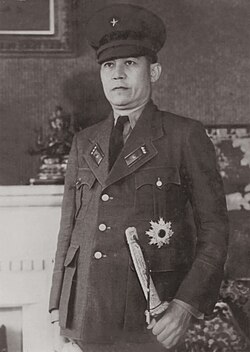
Ba Maw was one of Myanmar’s most significant political figures of the 20th century. A Western-educated intellectual and nationalist, he played a central role during the late British colonial era, became Burma’s first Prime Minister under the 1935 constitution, and later served as Head of State during the Japanese occupation in World War II. His legacy is complex—combining nationalism, pragmatism, controversy, and intellectual depth.
Early Life and Education
Ba Maw was born in 1893 in Maubin, Irrawaddy Delta, during British colonial rule. He belonged to a well-educated Burmese family and pursued higher education abroad—an uncommon path at the time.
Studied law at the University of Cambridge
Earned a doctorate in law in Europe
Deeply influenced by Western political theory and anti-colonial thought
His academic background distinguished him from many contemporaries and shaped his methodical, legalistic approach to politics.
Rise in Burmese Nationalist Politics
Returning to Burma in the 1920s, Ba Maw entered politics during a period of growing resistance to British colonial rule.
Key characteristics of his early political career:
Advocated constitutional reform rather than violent resistance
Represented a moderate nationalist approach
Sought Burmese self-governance through legal and parliamentary means
He gained prominence as a respected lawyer and orator, capable of bridging elite politics and popular nationalism.
Prime Minister of Burma (1937–1939)
Ba Maw became Burma’s first Prime Minister in 1937 after the country was administratively separated from British India.
Achievements and Challenges:
Led the first self-governing Burmese administration
Faced deep ethnic, economic, and political divisions
Struggled with limited autonomy under British oversight
Despite constraints, his premiership marked a historic step toward Burmese self-rule.
World War II and Japanese Occupation
During World War II, Ba Maw aligned with Imperial Japan after British forces withdrew from Burma.
Head of State (1943–1945):
Appointed Head of the State of Burma under Japanese sponsorship
Promoted Burmese independence from Britain
Power was largely symbolic, with Japan retaining real control
This decision remains controversial, though many Burmese nationalists at the time viewed Japan as a means to end colonial rule.
Post-War Life and Exile
After Japan’s defeat:
Ba Maw was arrested by British authorities
Later released but marginalized in post-war politics
Exiled himself from Burma after independence
He spent his later years writing memoirs and political reflections, including “Breakthrough in Burma,” a key historical account of the independence era.
Political Philosophy and Legacy
Ba Maw’s ideology combined:
Burmese nationalism
Legal constitutionalism
Pragmatic realism
Legacy Assessment:
Pioneer of Burmese self-government
Intellectual nationalist rather than revolutionary
Controversial wartime decisions
Important historical witness to colonial and wartime Burma
Today, historians view Ba Maw as a complex transitional figure rather than a simple hero or villain.
Historical Significance in Myanmar
Ba Maw’s life reflects the dilemmas faced by colonized nations:
How to gain independence
Whether compromise is preferable to confrontation
The risks of aligning with foreign powers
His story helps explain Myanmar’s turbulent political evolution in the 20th century.
Frequently Asked Questions (FAQ)
Who was Ba Maw?
Ba Maw was a Burmese politician, nationalist leader, and scholar who served as Burma’s first Prime Minister and later as Head of State during World War II.
When was Ba Maw Prime Minister of Burma?
He served as Prime Minister from 1937 to 1939.
Why is Ba Maw controversial?
He collaborated with Japan during World War II, believing it would lead to Burmese independence, a decision later criticized by historians.
Was Ba Maw involved in Burma’s independence?
Yes. He played a key political role in the nationalist movement, though he was not central to post-1948 leadership.
Did Ba Maw write any books?
Yes. His memoir “Breakthrough in Burma” is an important historical source on colonial and wartime Burma.