Bagyi Aung Soe: Pioneer of Modern Burmese Art
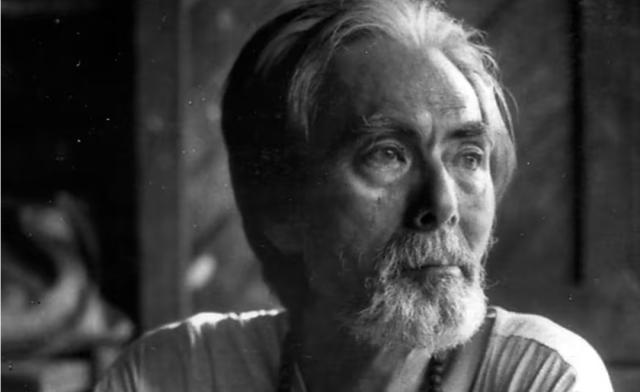
Bagyi Aung Soe is widely regarded as one of the most influential figures in the development of modern Burmese art. A visionary artist, thinker, and innovator, he challenged traditional aesthetics and expanded the boundaries of visual expression in Myanmar. Through bold experimentation with form, symbolism, and philosophy, Bagyi Aung Soe reshaped how art could reflect identity, emotion, and social consciousness.
His work marked a decisive shift from conventional styles toward a more individualistic and expressive visual language, making him a central figure in Myanmar’s modern art movement.
Early Life and Education
Bagyi Aung Soe was born in 1923 in Myanmar. From a young age, he demonstrated a strong interest in drawing and visual expression. Unlike many artists trained exclusively within traditional frameworks, Bagyi Aung Soe pursued a more exploratory path that combined classical knowledge with modern experimentation.
He studied at the State School of Fine Arts in Yangon, where he was introduced to formal artistic techniques as well as global art movements. His education exposed him to both Burmese traditions and international modernist ideas.
Artistic Awakening and Early Career
During his early career, Bagyi Aung Soe began questioning the limits of traditional Burmese art, which often emphasized realism, religious motifs, and decorative balance. He felt that such approaches constrained artistic freedom and emotional expression.
This led him to explore:
Abstract forms
Symbolic imagery
Experimental techniques
His early works signaled a departure from convention and set the foundation for his later innovations.
Development of a Modern Artistic Style
Breaking With Tradition
Bagyi Aung Soe rejected strict realism in favor of expressive abstraction. His work often featured:
Distorted human forms
Strong lines and dynamic compositions
Symbolic and philosophical motifs
He believed art should express inner truth rather than external appearance.
Philosophical Influences
Deeply influenced by Buddhist philosophy, psychology, and Eastern metaphysics, Bagyi Aung Soe viewed art as a form of spiritual and intellectual inquiry.
Key influences included:
Buddhist concepts of impermanence
Inner consciousness and perception
Moral and existential reflection
These ideas shaped both his artistic style and his writings on art.
Role in Myanmar’s Modern Art Movement
Bagyi Aung Soe became a central figure in Myanmar’s modern art movement, inspiring younger artists to:
Experiment with new forms
Challenge established norms
Seek personal artistic identity
His approach encouraged art as a process of exploration rather than imitation.
Teaching and Mentorship
In addition to his artistic work, Bagyi Aung Soe was an influential teacher and mentor. He emphasized:
Artistic independence
Intellectual curiosity
Discipline and experimentation
Many of his students later became prominent artists, continuing his legacy of innovation.
Controversy and Marginalization
Because of his unconventional style and independent thinking, Bagyi Aung Soe often existed on the margins of official art institutions. His work was not always accepted by traditional authorities, and he faced periods of:
Limited recognition
Institutional resistance
Despite this, he remained committed to his artistic vision.
Later Life and Recognition
In his later years, Bagyi Aung Soe gained increased recognition as Myanmar’s art community reassessed his contributions. Exhibitions and scholarly discussions highlighted his role as a pioneer of modern art.
His influence became more widely acknowledged both within Myanmar and among international scholars of Southeast Asian art.
Death and Enduring Legacy
Bagyi Aung Soe passed away in 1990, leaving behind a body of work that continues to inspire artists and scholars.
He is remembered as:
A pioneer of modern Burmese art
A fearless innovator
A philosophical artist whose work transcended aesthetics
Cultural and Artistic Significance
Bagyi Aung Soe’s significance lies in his ability to:
Transform visual language
Integrate philosophy and art
Empower artistic individuality
He helped redefine what Burmese art could be in the modern era.
Why Bagyi Aung Soe Matters Today
Understanding Bagyi Aung Soe is essential to understanding:
The evolution of modern art in Myanmar
The role of artistic freedom in cultural development
How visual art reflects intellectual change
His work remains relevant in contemporary discussions about identity, creativity, and expression.
❓ Frequently Asked Questions (FAQ)
1. Who was Bagyi Aung Soe?
He was a Burmese modern artist known for pioneering experimental and expressive art in Myanmar.
2. Why is Bagyi Aung Soe important?
He helped transform Burmese art from traditional forms to modern, expressive styles.
3. What style did he use?
He used abstract and symbolic forms influenced by philosophy and psychology.
4. Was he officially recognized during his lifetime?
Recognition was limited early on but increased later as his influence was reassessed.
5. Did he teach art?
Yes. He mentored many younger artists and emphasized creative independence.
6. How is he remembered today?
As a foundational figure in Myanmar’s modern art movement.