Htoo Ein Thin: Iconic Myanmar Singer-Songwriter

Introduction
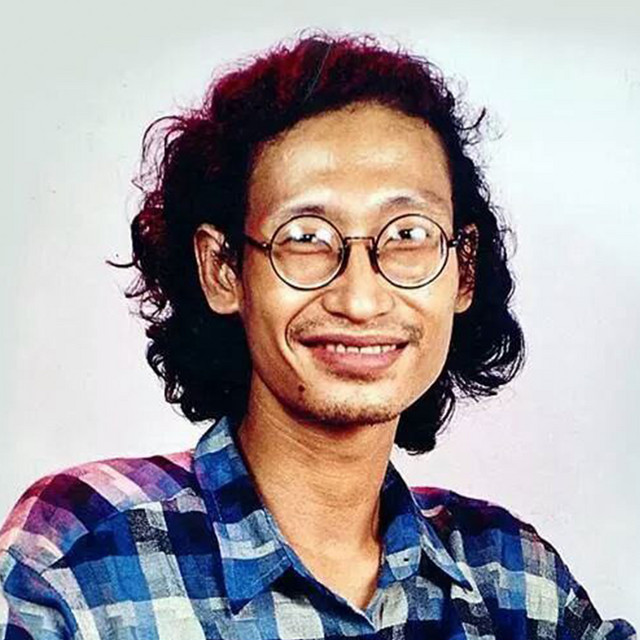
Htoo Ein Thin remains one of the most revered and influential figures in modern Myanmar music. A singer, songwriter, and composer, he helped shape the sound of Burmese pop and rock from the late 1980s through the early 2000s. Known for his poetic lyrics, emotional depth, and distinctive vocal style, Htoo Ein Thin built a legacy that continues to resonate across generations.
For Myanmar’s cultural history, he represents more than a pop star—he symbolizes artistic sincerity during a complex political era, when music often carried subtle social commentary beneath romantic storytelling.
Early Life and Musical Roots
Htoo Ein Thin was born in Myanmar and grew up during a period when Western musical influences were slowly entering the country. In the 1970s and 1980s, Myanmar’s music scene was heavily influenced by “copy thachin” (adaptations of foreign songs), but original composition was gaining momentum.
From an early age, he showed:
Interest in guitar and composition
A love for poetic lyricism
Sensitivity to emotional storytelling
Unlike purely commercial singers, Htoo Ein Thin gravitated toward writing his own songs, crafting melodies that reflected introspection and cultural nuance.
Rise to Fame in the Late 1980s and 1990s
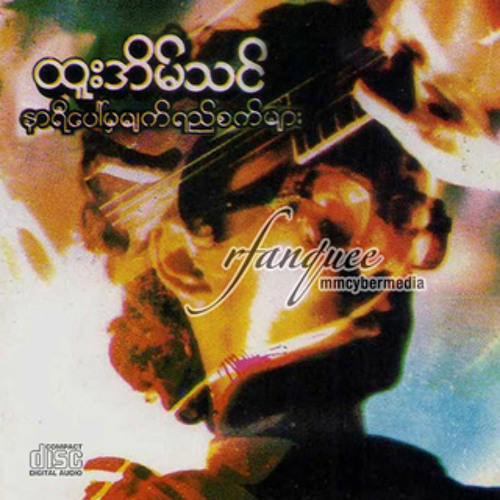
Htoo Ein Thin rose to prominence during a transformative time in Myanmar’s music industry. Cassette tapes were the dominant distribution format, and music circulated widely through informal markets.
His breakthrough albums distinguished him because:
He wrote deeply personal lyrics.
His compositions blended Western pop-rock with Burmese musical sensibility.
His voice conveyed vulnerability and emotional realism.
Throughout the 1990s, he became a defining voice of urban youth culture. His songs were played in tea shops, homes, university dormitories, and long-distance bus journeys—embedding his work into everyday life.
Songwriting Style and Themes
Htoo Ein Thin’s lyrical style stands apart in Burmese pop history.
Key Themes in His Music:
Romantic longing
Nostalgia
Urban loneliness
Personal reflection
Subtle social awareness
His writing often reads like poetry set to melody. Rather than dramatic theatrics, his delivery leaned toward quiet intensity.
Many fans describe his songs as “honest” and “soulful,” reflecting emotional truths without excessive embellishment.
Musical Influence and Innovation
Htoo Ein Thin played a crucial role in transitioning Myanmar’s music from imitation to original creativity. He contributed to:
Encouraging authentic songwriting
Elevating lyrical depth
Blending acoustic rock with Burmese melodies
Inspiring younger artists to compose original works
During an era when censorship shaped artistic output, musicians often expressed emotion through metaphor. Htoo Ein Thin mastered this indirect communication style.
Collaboration with Contemporary Artists
Htoo Ein Thin was part of a generation that included influential musicians and bands such as:
Iron Cross
Sai Htee Saing
Though stylistically distinct, these artists collectively shaped the golden era of modern Burmese music.
Htoo Ein Thin’s softer rock-pop style contrasted with heavier rock influences, giving audiences a broader musical palette.
Cultural Impact
Music in Myanmar often functions as emotional expression during periods of political uncertainty. In the 1990s, when public discourse was limited, music provided a safe emotional outlet.
Htoo Ein Thin’s songs became:
Anthems of quiet resilience
Soundtracks to personal memory
Emotional companions during social change
Even decades later, his tracks are replayed at gatherings, radio programs, and tribute concerts.
Later Years and Legacy
Although his life was relatively short, Htoo Ein Thin’s impact has been enduring. His discography continues to influence:
Indie musicians
Acoustic singer-songwriters
Contemporary Burmese pop artists
Tribute concerts and cover performances keep his memory alive. Younger generations who never saw him perform live still discover his music through digital platforms.
His legacy includes:
Elevating original songwriting in Myanmar
Setting lyrical standards for emotional authenticity
Becoming a symbol of artistic integrity
Place in Myanmar’s Music History
In the broader timeline of Myanmar music, Htoo Ein Thin stands alongside legendary names who modernized the industry.
Where earlier musicians introduced Western influences, he refined them into something deeply Burmese. His music remains accessible yet intellectually layered—a rare combination.
For Myanmar.com’s Who’s Who in Myanmar – Cultural Figures, his profile represents the intersection of art, emotion, and national identity.
Influence on Modern Artists
Many modern singers cite Htoo Ein Thin as inspiration, particularly for:
Acoustic arrangements
Poetic songwriting
Emotional vocal delivery
In an era of digital streaming and pop commercialization, his music continues to feel authentic and timeless.
This is why his legacy endures.
Conclusion
Htoo Ein Thin was more than a popular singer—he was a cultural voice for a generation navigating change. Through poetic lyrics and heartfelt melodies, he shaped modern Burmese music and inspired countless artists.
His songs continue to echo across Myanmar, reminding listeners of love, longing, and the quiet strength found in honest expression.
For Myanmar’s cultural archive, Htoo Ein Thin remains an indispensable figure in the story of contemporary music.
FAQs
1. Who was Htoo Ein Thin?
Htoo Ein Thin was a prominent Myanmar singer-songwriter known for poetic lyrics and emotional pop-rock music in the 1990s and early 2000s.
2. What made Htoo Ein Thin famous?
His original songwriting, heartfelt vocals, and lyrical depth distinguished him from many commercial pop singers of his era.
3. What genre did Htoo Ein Thin perform?
He performed primarily pop-rock and acoustic-influenced contemporary Burmese music.
4. Why is Htoo Ein Thin important in Myanmar music history?
He helped elevate original songwriting and emotional authenticity in Burmese pop culture.
5. Did Htoo Ein Thin influence younger musicians?
Yes. Many modern Myanmar artists cite him as inspiration for poetic lyrics and acoustic composition.
6. Is his music still popular today?
Yes. His songs remain widely played and respected, especially among fans of classic 1990s Burmese music.