Khun Sa Biography: Myanmar’s Golden Triangle Warlord
Introduction
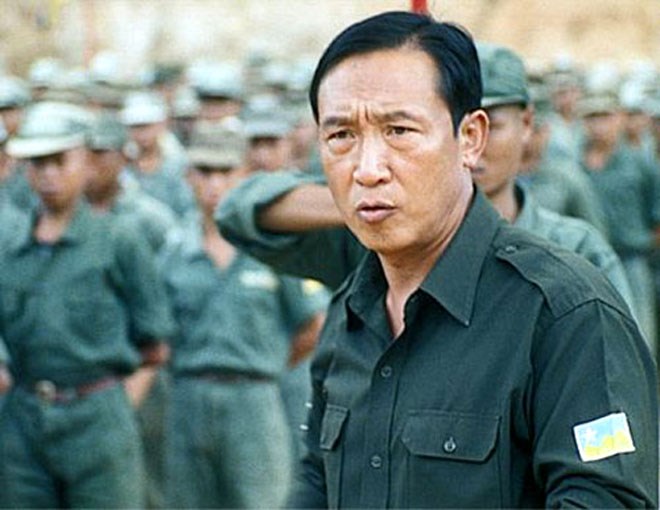
Khun Sa (1934–2007) was one of the most powerful and controversial figures in modern Myanmar history. Internationally labeled as a drug kingpin and domestically viewed by some as a Shan nationalist leader, Khun Sa dominated large portions of the Golden Triangle narcotics trade during the 1970s and 1980s. At the height of his power, he controlled thousands of armed fighters and oversaw significant opium production across Shan State in northeastern Myanmar.
His life intersected with civil war, ethnic politics, Cold War geopolitics, and global anti-narcotics efforts. To understand Khun Sa is to understand a crucial chapter in Myanmar’s political and military history.
Khun Sa was one of the most powerful warlords in Myanmar’s modern history. Known internationally as the Golden Triangle drug kingpin, Khun Sa controlled vast opium territories in Shan State during the 1970s and 1980s. The biography of Khun Sa reveals a complex figure shaped by civil war, ethnic politics, and narcotics power.
Khun Sa’s rise in the Golden Triangle followed earlier figures such as Lo Hsing Han, a Kokang-based militia leader who played a significant role in shaping the early narcotics networks of northern Shan State. While Lo Hsing Han eventually transitioned into a prominent businessman, Khun Sa continued as an armed warlord for decades, expanding control over opium-producing territories and building the Mong Tai Army into one of the most powerful insurgent forces in the region.
Early Life and Background
Khun Sa was born in 1934 in Shan State, Myanmar (then Burma). His birth name was Chang Chi-fu. He was of mixed Chinese and Shan heritage — a background that later helped him navigate complex regional alliances.
The political climate of Myanmar during his youth was unstable. After independence from Britain in 1948, the country descended into multiple armed conflicts involving ethnic groups and communist factions. Shan State, where Khun Sa grew up, became a hotspot for insurgency and militia activity.
During his early years, Khun Sa built relationships with local militia leaders and Chinese nationalist remnants who had fled into northern Myanmar after the Chinese Civil War.
The Rise of Khun Sa
Khun Sa’s rise to power began in the 1960s when he formed a militia force in Shan State. Initially, he aligned with Myanmar’s central government against communist forces, but like many warlords in the region, his alliances shifted based on strategic advantage.
By the 1970s, he had established himself as a major force in the Golden Triangle region — the mountainous border area between Myanmar, Thailand, and Laos known for opium production.
The Golden Triangle became one of the world’s largest sources of heroin during this period.
Khun Sa capitalized on:
Weak central government control
Mountainous terrain
Ethnic tensions
Cross-border trade routes
He expanded his militia into what became known as the Mong Tai Army (MTA).
The Mong Tai Army (MTA)
The Mong Tai Army was Khun Sa’s primary armed organization. At its peak in the 1980s, it reportedly consisted of thousands of soldiers equipped with modern weapons.
The MTA served multiple purposes:
Protecting opium cultivation areas
Fighting rival militias
Negotiating with foreign intermediaries
Positioning Khun Sa as a Shan nationalist figure
Khun Sa publicly claimed he was fighting for Shan autonomy and independence. However, international observers focused primarily on his involvement in heroin trafficking.
The Golden Triangle and Opium Trade
The Golden Triangle became globally infamous for opium and heroin production in the 1970s and 1980s.
During this time:
Myanmar was one of the world’s largest opium producers.
Heroin from the region supplied international markets.
U.S. and international agencies identified Khun Sa as a key figure in the trade.
Khun Sa’s network reportedly managed transportation, protection, and export operations.
He once offered to sell his entire opium stockpile to the U.S. government — a move interpreted by some as political maneuvering rather than genuine surrender.
Conflict with the Myanmar Military
Khun Sa’s relationship with the Myanmar government fluctuated over decades.
He:
Fought against central military forces.
Negotiated temporary ceasefires.
Shifted between insurgency and cooperation.
In the early 1990s, pressure mounted against him from both:
The Myanmar military
International anti-drug efforts
In 1996, Khun Sa surrendered to the Myanmar government.
The terms of his surrender remain controversial. Reports suggest he was allowed to live in Yangon under unofficial protection.
Life After Surrender
After surrendering in 1996, Khun Sa relocated to Yangon.
Unlike many insurgent leaders, he was not extradited despite international accusations.
He reportedly lived quietly until his death in 2007.
His post-surrender life remains somewhat opaque, adding to the mystery surrounding his legacy.
Legacy and Controversy
Khun Sa’s legacy is complex and debated.
To international observers, he was:
One of the world’s most powerful heroin traffickers.
A symbol of narcotics-driven conflict in Southeast Asia.
To some Shan nationalists, he was:
A resistance leader.
A figure who challenged central government authority.
His life reflects broader themes in Myanmar’s history:
Ethnic insurgency
Weak border control
Informal warlord governance
Political-military negotiation
Khun Sa in Historical Context
Khun Sa’s rise must be understood within:
Myanmar’s post-independence instability
Shan State ethnic struggles
Cold War regional dynamics
The global war on drugs
His story intersects with other prominent Myanmar figures and military leaders during the late 20th century.
Frequently Asked Questions (FAQ)
Who was Khun Sa?
Khun Sa was a Myanmar-based warlord and leader of the Mong Tai Army, known for his involvement in the Golden Triangle opium trade.
Why was Khun Sa important?
He controlled significant portions of narcotics production in Southeast Asia and played a major role in Shan State armed conflict.
What was the Golden Triangle?
The Golden Triangle is the border region between Myanmar, Thailand, and Laos known historically for opium cultivation.
When did Khun Sa surrender?
Khun Sa surrendered to the Myanmar government in 1996.
When did Khun Sa die?
He died in 2007 in Yangon, Myanmar.
Was Khun Sa a nationalist leader?
He claimed to fight for Shan autonomy, but his legacy remains controversial due to narcotics trafficking.