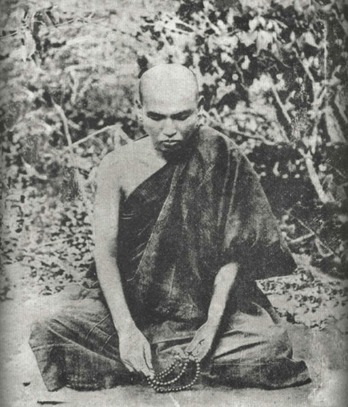
Ledi Sayadaw: Buddhist Monk and Philosopher of Myanmar
Ledi Sayadaw was one of Myanmar’s most influential Theravāda Buddhist monks, philosophers, and scholars, whose intellectual legacy continues to shape Buddhist thought and meditation practice well into the modern era. Renowned for his mastery of Buddhist doctrine and his ability to explain complex philosophical concepts in accessible ways, Ledi Sayadaw played a pivotal role in revitalizing Buddhist education and practice during a period of profound social change.
His teachings bridged classical scholarship and practical application, making him a central figure in the development of modern Burmese Buddhism.
Early Life and Ordination
Ledi Sayadaw was born in 1846 in Upper Burma. His birth name was U Ñāṇa, and from a young age he demonstrated a strong aptitude for religious study.
He entered monastic life early and underwent rigorous training in:
Pali language
Canonical Buddhist texts
Traditional commentarial literature
His intellectual discipline quickly distinguished him among his peers.
Scholarly Training and Recognition
Ledi Sayadaw became widely recognized as a leading scholar of:
Abhidhamma (Buddhist philosophy and psychology)
Vinaya (monastic discipline)
Sutta interpretation
He earned formal recognition from religious authorities for his exceptional scholarship, eventually becoming known as Ledi Sayadaw, named after the region where he taught and studied.
Contribution to Buddhist Philosophy
Intellectual Focus
Ledi Sayadaw’s philosophical work emphasized:
Clear doctrinal understanding
Logical reasoning
Ethical application of Buddhist principles
He sought to ensure that Buddhist teachings were not merely recited but deeply understood and practiced.
Promotion of Vipassanā and Lay Practice
Unlike earlier traditions that emphasized monastic study, Ledi Sayadaw strongly supported meditation practice among laypeople. He believed that:
Insight meditation was accessible to all
Ethical living and mindfulness could transform society
This approach helped democratize Buddhist practice and laid groundwork for later meditation movements.
Written Works and Treatises
Ledi Sayadaw authored numerous influential texts, covering:
Meditation instruction
Buddhist ethics
Philosophical analysis
Many of his works were written in both Pali and Burmese, expanding access to Buddhist learning beyond monastic communities.
Influence on Later Teachers
Ledi Sayadaw’s teachings deeply influenced later meditation masters, including figures who would shape global Vipassanā traditions. His emphasis on doctrinal clarity and disciplined practice became foundational for modern meditation lineages.
Role in Buddhist Education Reform
Ledi Sayadaw advocated for systematic Buddhist education, encouraging:
Structured curricula
Accessible teaching methods
Engagement with contemporary challenges
His vision helped modernize Buddhist instruction without compromising doctrinal integrity.
Relationship With Society and Institutions
Though deeply rooted in monastic life, Ledi Sayadaw actively engaged with lay communities and supported educational outreach. His influence extended beyond monasteries into broader Burmese society.
Importantly, he remained non-political, focusing on spiritual and ethical development rather than state affairs.
Later Years and Passing
Ledi Sayadaw continued teaching, writing, and mentoring students throughout his life. He passed away in 1923, leaving behind a rich intellectual and spiritual legacy.
Legacy and Historical Significance
Ledi Sayadaw’s legacy includes:
Revitalization of Theravāda philosophy
Expansion of lay meditation practice
Intellectual foundations for modern Buddhist movements
He is regarded as one of Myanmar’s greatest Buddhist thinkers.
Why Ledi Sayadaw Matters Today
Understanding Ledi Sayadaw helps explain:
The evolution of Buddhist philosophy in Myanmar
The roots of modern meditation practice
How scholarship can support spiritual transformation
His work continues to be studied and practiced worldwide.
❓ Frequently Asked Questions (FAQ)
1. Who was Ledi Sayadaw?
Ledi Sayadaw was a Burmese Buddhist monk, philosopher, and scholar of Theravāda Buddhism.
2. What is Ledi Sayadaw known for?
He is known for his philosophical writings and promotion of Vipassanā meditation.
3. Did Ledi Sayadaw teach laypeople?
Yes. He strongly encouraged meditation practice among lay practitioners.
4. What kind of texts did he write?
He wrote treatises on Buddhist philosophy, ethics, and meditation.
5. How did he influence modern Buddhism?
His teachings shaped later meditation masters and modern Vipassanā movements.
6. How is Ledi Sayadaw remembered today?
As one of Myanmar’s most respected Buddhist philosophers and teachers.