Lo Hsing Han Biography: Golden Triangle Drug Lord
Introduction
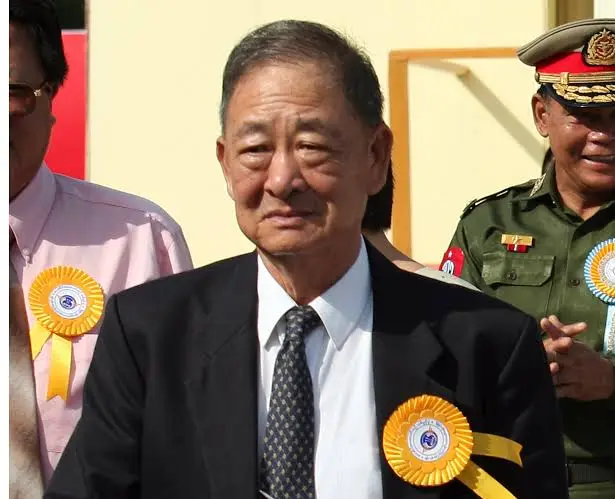
Lo Hsing Han (1935–2013) was one of the most influential and controversial figures in Myanmar’s modern history. Often described as one of the early architects of the Golden Triangle narcotics trade, Lo Hsing Han transitioned from militia commander to powerful businessman. His life reflects the intersection of armed conflict, drug trafficking, and political influence in northeastern Myanmar during the late 20th century.
Known for his connections within Shan State and beyond, Lo Hsing Han’s legacy remains deeply debated in Myanmar and internationally.
Early Life and Background
Lo Hsing Han was born in 1935 in Kokang, located in northern Shan State near the Chinese border. The region has long been characterized by complex ethnic dynamics, cross-border trade, and armed insurgencies.
Growing up during a period of instability following Myanmar’s independence, Lo Hsing Han became involved in militia activities at a young age. Shan State was fragmented between ethnic armed groups, communist factions, and government-aligned militias.
These early conflicts shaped his future trajectory.
Rise in Shan State
In the 1960s, Lo Hsing Han emerged as a militia leader in the Kokang region. During this time:
The Myanmar government relied on local militias to counter communist insurgencies.
Opium production expanded across Shan State.
Cross-border trade networks flourished.
Lo Hsing Han reportedly cooperated at times with government forces while maintaining control over local opium production areas.
This dual role — militia leader and narcotics figure — was common in the Golden Triangle during this era.
The Golden Triangle Era
The Golden Triangle, where Myanmar, Thailand, and Laos converge, became one of the largest opium-producing regions in the world during the 1960s–1980s.
Lo Hsing Han was considered one of the early pioneers in organizing large-scale opium trading networks.
His influence predated figures like Khun Sa and helped establish the economic structure that later warlords expanded upon.
During the 1970s:
International pressure increased to combat heroin trafficking.
Myanmar’s border regions remained difficult to control.
Armed groups leveraged narcotics revenue to fund operations.
Lo Hsing Han’s networks thrived in this environment.
Arrest and Extradition
In 1973, Lo Hsing Han was arrested in Thailand and later extradited to Myanmar.
His imprisonment marked a turning point in his life.
After serving time in prison, he eventually re-emerged — not as a warlord, but as a businessman.
Transition to Business Empire
Unlike many militia leaders, Lo Hsing Han successfully transitioned into the formal economy.
He became the founder of the Asia World Group, a major conglomerate involved in:
Infrastructure
Ports
Construction
Transportation
Asia World became one of Myanmar’s largest private companies, playing a significant role in national development projects.
This transformation from militia leader to corporate tycoon is one of the most fascinating aspects of his biography.
Political and Economic Influence
Lo Hsing Han’s business expansion coincided with Myanmar’s military government era.
Observers have debated:
Whether his earlier activities influenced later business privileges.
The relationship between former militia leaders and the central government.
The role of border trade networks in economic growth.
His son, Steven Law, later became a prominent business figure associated with Asia World.
Controversies and International Sanctions
Due to alleged links to narcotics trafficking and political connections, Lo Hsing Han and associated companies faced international scrutiny.
Some entities linked to his business empire were subjected to sanctions during certain periods.
Despite this, his company remained influential within Myanmar.
Death and Legacy
Lo Hsing Han died in 2013.
His legacy remains complex:
To critics:
A symbol of narcotics-linked power consolidation.
To supporters:
A businessman who contributed to infrastructure and development.
His life reflects Myanmar’s unique blend of conflict, commerce, and political negotiation.
Historical Significance
Lo Hsing Han’s biography is important because it demonstrates:
How militia leaders shaped the Golden Triangle
The blurred line between insurgency and commerce
The transformation of regional power structures
The economic rise of post-conflict business elites
His story overlaps with:
Khun Sa
Shan State conflict
Myanmar’s military government era
Cross-border China-Myanmar trade
Frequently Asked Questions
Who was Lo Hsing Han?
Lo Hsing Han was a militia leader from Shan State who later became a major Myanmar businessman and founder of Asia World Group.
Was Lo Hsing Han involved in the drug trade?
He was widely associated with early Golden Triangle opium trading networks during the 1960s and 1970s.
What is Asia World Group?
Asia World is a Myanmar-based conglomerate founded by Lo Hsing Han involved in infrastructure and construction.
When did Lo Hsing Han die?
He died in 2013.
How is Lo Hsing Han different from Khun Sa?
While both were linked to the Golden Triangle, Khun Sa remained a warlord longer, whereas Lo Hsing Han transitioned into a corporate business leader.