Mahasi Sayadaw: Theravāda Buddhist Scholar of Myanmar
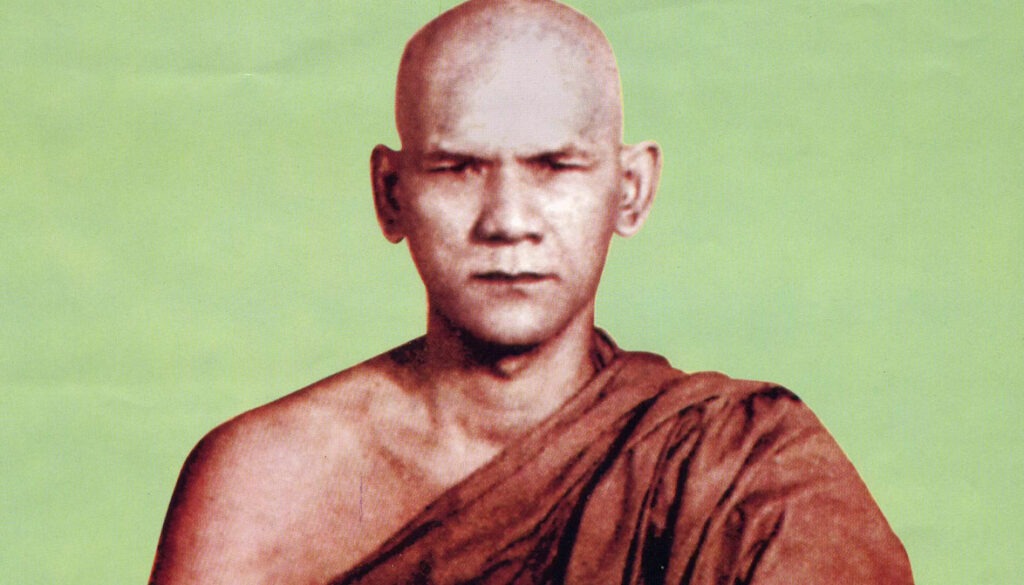
Mahasi Sayadaw was one of the most influential Theravāda Buddhist scholars and meditation teachers of the 20th century. Revered in Myanmar and internationally, he is best known for systematizing and teaching Vipassanā (insight) meditation, a practice that has since spread across Asia, Europe, and the West.
Through his scholarship, teaching institutions, and written works, Mahasi Sayadaw helped modernize Buddhist practice while remaining firmly rooted in classical Theravāda doctrine. His legacy continues to shape contemporary meditation movements and Buddhist education worldwide.
Early Life and Ordination
Mahasi Sayadaw was born in 1904 in Upper Burma. His birth name was U Sobhana, and from an early age he displayed a strong inclination toward religious study and discipline.
He was ordained as a novice monk (sāmaṇera) in childhood and later received full ordination as a bhikkhu. His early monastic education focused on:
Pali language
Buddhist scriptures (Tipiṭaka)
Commentarial traditions
These formative years laid the intellectual foundation for his later scholarly and teaching achievements.
Advanced Buddhist Education
Mahasi Sayadaw pursued advanced studies in Buddhist doctrine, becoming deeply versed in:
Abhidhamma (Buddhist philosophy and psychology)
Vinaya (monastic discipline)
Sutta interpretation
He earned high distinction in traditional examinations, establishing his reputation as a serious scholar within Myanmar’s monastic community.
Emergence as a Meditation Teacher
Vipassanā Practice
Mahasi Sayadaw became particularly known for his approach to Vipassanā meditation, emphasizing:
Mindfulness of bodily sensations
Awareness of mental phenomena
Direct observation of impermanence, suffering, and non-self
His method provided a structured yet accessible framework for both monks and lay practitioners.
Establishment of Mahasi Meditation Center
In 1949, Mahasi Sayadaw was appointed as the first meditation teacher at the Mahasi Meditation Center in Yangon. Under his leadership, the center became one of the most important institutions for meditation training in Myanmar.
The center attracted:
Monks and nuns
Lay practitioners
International students
It played a crucial role in the global transmission of Vipassanā practice.
Role in Buddhist Reform and Modernization
Mahasi Sayadaw was part of a broader movement to revitalize Buddhist practice in the modern era. While remaining doctrinally orthodox, he supported:
Systematic meditation instruction
Lay participation in intensive practice
Written explanations accessible to modern readers
This approach helped Buddhism remain relevant amid social and political change.
International Influence and Global Spread
Students of Mahasi Sayadaw later established meditation centers in:
Southeast Asia
Europe
North America
His teachings influenced prominent Western meditation teachers and contributed to the global mindfulness movement, though always grounded in Theravāda principles.
Literary and Scholarly Contributions
Mahasi Sayadaw authored numerous texts on:
Vipassanā meditation
Buddhist philosophy
Practical guidance for practitioners
His writings are studied widely and translated into multiple languages, reinforcing his role as both a teacher and scholar.
Relationship With State and Religious Institutions
Mahasi Sayadaw participated in national Buddhist councils and advised religious institutions, particularly during Myanmar’s post-independence period. However, he is primarily remembered for his spiritual leadership rather than political involvement.
His authority rested on scholarship, discipline, and teaching—not institutional power.
Later Years and Passing
Mahasi Sayadaw continued teaching and writing until his later years. He passed away in 1982, leaving behind a global network of students and institutions.
His death was widely mourned in Myanmar and abroad, reflecting his profound spiritual influence.
Legacy and Historical Significance
Mahasi Sayadaw’s legacy includes:
Modernization of Vipassanā instruction
Expansion of lay meditation practice
Global dissemination of Theravāda Buddhism
He is regarded as one of the most important Buddhist teachers of the modern era.
Why Mahasi Sayadaw Matters Today
Understanding Mahasi Sayadaw is essential to understanding:
Modern Buddhist meditation practice
The global spread of Vipassanā
Myanmar’s contribution to world spirituality
His life demonstrates how ancient teachings can be preserved while adapted for contemporary societies.
❓ Frequently Asked Questions (FAQ)
1. Who was Mahasi Sayadaw?
Mahasi Sayadaw was a renowned Theravāda Buddhist monk, scholar, and meditation teacher from Myanmar.
2. What is Mahasi Sayadaw known for?
He is best known for teaching and systematizing Vipassanā (insight) meditation.
3. What is Vipassanā meditation?
Vipassanā is a Buddhist practice focused on mindfulness and insight into reality.
4. Did Mahasi Sayadaw teach laypeople?
Yes. He strongly supported meditation practice among lay practitioners.
5. Did his teachings spread internationally?
Yes. His students established meditation centers worldwide.
6. How is Mahasi Sayadaw remembered today?
As one of the most influential Theravāda meditation masters of the 20th century.