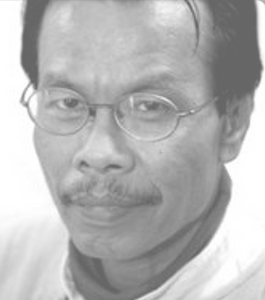
Sai Htee Sai — Legendary Shan Singer of Myanmar
Sai Htee Sai is one of the most respected and influential ethnic Shan singers in Myanmar, celebrated for his emotional vocals, poetic lyrics, and lifelong dedication to Shan music and culture. For decades, his songs have resonated deeply with Shan communities across Myanmar and the diaspora, preserving ethnic identity through music while bridging traditional sounds with modern sensibilities.
Unlike many mainstream pop stars, Sai Htee Sai built his reputation on authenticity—singing about love, homeland, longing, and Shan cultural pride. His music is not just entertainment; it is cultural preservation expressed through melody and verse.
Early Life and Cultural Roots
Sai Htee Sai was born into the Shan ethnic community in Myanmar, where traditional music, storytelling, and poetry are integral to daily life. Growing up surrounded by Shan folk songs and regional instruments, he developed an early appreciation for music as a vehicle for emotion and identity.
From a young age, he showed a natural talent for singing and songwriting. His formative years were shaped by Shan oral traditions—songs passed down through generations that told stories of love, separation, migration, and the beauty of Shan State. These influences would later become the foundation of his musical career.
Musical Career and Rise to Fame in Myanmar
Sai Htee Sai emerged as a prominent Shan singer during a period when ethnic-language music received limited mainstream attention in Myanmar. Despite these challenges, his heartfelt compositions quickly gained popularity within Shan communities.
Key Factors Behind His Success
Authentic Shan-language lyrics that resonated emotionally
Melodic, romantic compositions rooted in folk tradition
Clear, expressive vocal style capable of deep emotional delivery
Cultural pride reflected in both music and public image
Cassette tapes and later CDs of his songs circulated widely in Shan State and among Shan migrant communities. His music spread organically—through homes, markets, weddings, and cultural gatherings—cementing his status as a household name among Shan listeners.
Musical Style and Themes
Sai Htee Sai’s music is best described as Shan romantic folk-pop, blending traditional melodies with accessible modern arrangements.
Common Themes in His Songs
Love and longing
Separation caused by migration or conflict
Nostalgia for Shan homeland
Cultural identity and pride
Emotional resilience of ethnic communities
His songs often carry a gentle sadness, reflecting the lived experiences of Shan people in Myanmar. This emotional honesty is one of the reasons his music remains timeless.
Cultural Impact on Shan Society
Beyond commercial success, Sai Htee Sai holds immense cultural significance. He is widely regarded as a cultural ambassador for Shan music in Myanmar.
Cultural Contributions
Preserved Shan language through music
Inspired younger Shan musicians and singers
Strengthened ethnic identity during difficult political periods
Provided emotional comfort through relatable lyrics
Many Shan listeners describe his songs as “music of the heart,” often played during personal moments, family gatherings, and cultural ceremonies.
Albums and Popular Songs
While exact discographies vary due to limited formal archiving of ethnic music in Myanmar, Sai Htee Sai has released numerous albums and singles over the years.
His most popular songs are known for:
Romantic storytelling
Slow to mid-tempo melodies
Lyrics written in Shan language
Strong emotional connection
Several of his songs have become classics, continuously replayed across generations, making him a timeless figure in Myanmar’s ethnic music scene.
Influence on Future Generations
Sai Htee Sai’s influence extends well beyond his own recordings. Many modern Shan singers cite him as a major inspiration, crediting him for showing that ethnic-language music can thrive despite industry limitations.
His success encouraged:
Increased production of Shan-language albums
Greater confidence among ethnic musicians
Broader acceptance of ethnic music within Myanmar
Even younger listeners who did not grow up during his peak years continue to discover his work through family collections and online platforms.
Legacy in Myanmar Music History
In the broader context of Myanmar’s music history, Sai Htee Sai represents a crucial pillar of ethnic musical heritage. While mainstream Burmese pop dominates national charts, his enduring popularity proves that cultural authenticity can achieve lasting relevance.
He is often compared to other legendary ethnic singers, but his unique vocal tone and lyrical sensitivity set him apart.
Why Sai Htee Sai Still Matters Today
In an era of rapid globalization and digital music trends, Sai Htee Sai’s work remains profoundly relevant. His songs remind listeners of:
The importance of cultural roots
The power of music as emotional expression
The value of preserving ethnic languages
For many Shan people in Myanmar and abroad, his music serves as a connection to home.
Frequently Asked Questions (FAQ)
1. Who is Sai Htee Sai?
Sai Htee Sai is a legendary Shan ethnic singer from Myanmar, known for romantic and culturally rich Shan-language songs.
2. What language does Sai Htee Sai sing in?
He primarily sings in the Shan language, focusing on Shan culture and traditions in Myanmar.
3. Why is Sai Htee Sai important in Myanmar music?
He helped preserve Shan musical identity and inspired generations of ethnic musicians in Myanmar.
4. What type of music does Sai Htee Sai perform?
His music blends Shan folk traditions with romantic pop-style melodies.
5. Is Sai Htee Sai still popular today?
Yes. His songs continue to be widely listened to among Shan communities in Myanmar and the diaspora.
6. What themes are common in his songs?
Love, longing, homeland, cultural identity, and emotional resilience.
Conclusion
Sai Htee Sai stands as one of the most important Shan singers in Myanmar, not only for his musical achievements but for his role in preserving ethnic identity through song. His voice carries the emotions of generations, making his legacy enduring and deeply respected.
For anyone seeking to understand Shan culture and ethnic music in Myanmar, Sai Htee Sai’s work is essential listening.