
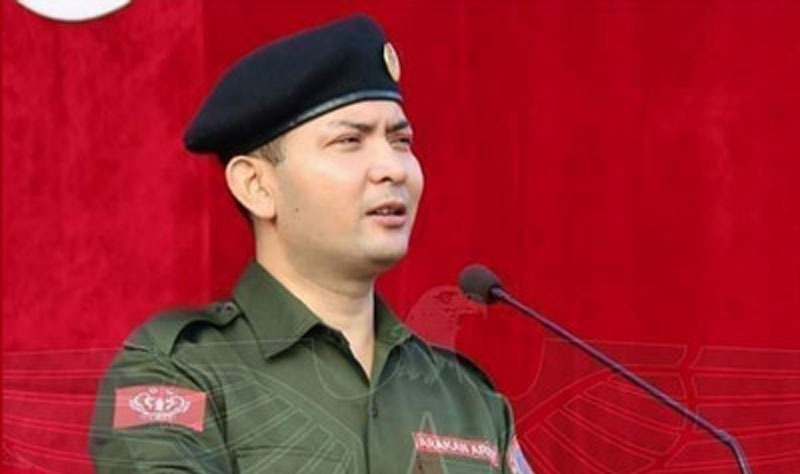
Twan Mrat Naing Biography: Arakan Army Leader of Rakhine
Twan Mrat Naing is a prominent political and military figure in Myanmar, best known as the leader of the Arakan Army (AA), an ethnic armed organization active primarily in Rakhine State. Over the past decade, he has emerged as one of the most influential voices representing Rakhine political aspirations within Myanmar’s complex and ongoing conflict.
This article provides a neutral, factual overview of Twan Mrat Naing’s background, leadership role, political vision, and influence in modern Myanmar.
Early Life and Background
Twan Mrat Naing was born in Rakhine State, a region with a long history of political marginalization and ethnic tension. Growing up in this environment shaped his political awareness and views on ethnic self-determination.
He later pursued higher education and became involved in political activism focused on Rakhine rights and autonomy. His early experiences played a major role in shaping his leadership philosophy and commitment to armed resistance as a political strategy.
Formation of the Arakan Army (AA)
The Arakan Army was founded in 2009 as an ethnic armed organization advocating for greater autonomy and political rights for the Rakhine people. Twan Mrat Naing became its commander-in-chief and public spokesperson.
The AA initially trained and operated outside Rakhine State before gradually expanding its presence back into the region. Under Twan Mrat Naing’s leadership, the group developed into one of the most organized and influential ethnic armed forces in Myanmar.
Leadership Role and Strategy
As leader of the Arakan Army, Twan Mrat Naing is responsible for:
Strategic planning and military direction
Political messaging and public communication
Coordination with allied ethnic organizations
He is known for articulating the AA’s goals through interviews, public statements, and political messaging, emphasizing self-determination, federalism, and equality within Myanmar.
Political Vision and Goals
Twan Mrat Naing has repeatedly stated that the Arakan Army’s objectives are not limited to armed conflict. Instead, he promotes a broader political vision that includes:
Greater autonomy for Rakhine State
Protection of Rakhine identity and culture
A federal democratic system in Myanmar
Equal rights for all ethnic groups
This positioning has helped the AA gain political relevance beyond purely military actions.
Role in Myanmar’s Internal Conflict
The Arakan Army has played a significant role in Myanmar’s internal conflicts, particularly in western Myanmar. Fighting between the AA and Myanmar’s military has fluctuated between intense clashes and temporary ceasefires.
Twan Mrat Naing has often emphasized that military actions are a response to long-standing political grievances rather than an end goal. His leadership approach blends armed resistance with political negotiation when opportunities arise.
Public Image and Communication Style
Unlike many armed group leaders, Twan Mrat Naing maintains a high public profile. He frequently communicates through:
Media interviews
Official statements
Online platforms
His communication style is often described as:
Calm and deliberate
Politically focused rather than emotional
Emphasizing legitimacy and representation
This has helped shape his image as both a military leader and political figure.
Regional and International Attention
Twan Mrat Naing’s leadership has attracted attention from:
Myanmar political observers
Regional analysts
International media
The Arakan Army’s growing influence in Rakhine State has made him a key figure in discussions about Myanmar’s future political structure, especially regarding ethnic autonomy and federalism.
Controversies and Criticism
As with any armed organization leader, Twan Mrat Naing and the Arakan Army have faced criticism and controversy. Allegations and concerns raised by various parties include:
Civilian impact of armed conflict
Governance issues in controlled areas
Humanitarian access during fighting
Supporters argue that these issues arise from prolonged conflict and political exclusion, while critics call for greater accountability.
Influence on Rakhine Society
Among many in Rakhine State, Twan Mrat Naing is seen as a symbol of resistance and political assertion. His leadership has reshaped Rakhine political discourse, bringing issues of autonomy and self-governance into national conversations.
At the same time, opinions about his role vary, reflecting the diversity of perspectives within Rakhine society itself.
Current Status and Future Outlook
Twan Mrat Naing remains an active and influential figure in Myanmar’s political landscape. As the country continues to face instability, his role is likely to remain significant in:
Negotiations involving ethnic groups
Regional governance discussions
The future of federalism in Myanmar
His long-term impact will depend on how political solutions evolve alongside ongoing conflicts.
FAQs About Twan Mrat Naing
1. Who is Twan Mrat Naing?
Twan Mrat Naing is the leader of the Arakan Army and a prominent Rakhine political and military figure in Myanmar.
2. What is the Arakan Army?
The Arakan Army is an ethnic armed organization advocating for greater autonomy and political rights for the Rakhine people.
3. What are Twan Mrat Naing’s main goals?
His stated goals include self-determination, federalism, and equality for ethnic groups within Myanmar.
4. Is Twan Mrat Naing a political leader or military leader?
He is both a military commander and a political figure representing Rakhine interests.
5. Why is Twan Mrat Naing important in Myanmar politics?
He plays a key role in Rakhine State’s political movement and has influenced national discussions on ethnic autonomy.
6. Is Twan Mrat Naing internationally recognized?
He is widely known among regional analysts and international media covering Myanmar’s conflict.