Myanmar Travel Guide 2026
PART 1
Foundations, Geography, Climate & Travel Planning
Introduction: How to Use This Guide
Myanmar—also known internationally as Burma—occupies a unique place in Southeast Asia. For centuries, it stood at the crossroads of South and East Asia, absorbing influences from India, China, and the wider Buddhist world while maintaining a strong, distinctive cultural identity. Today, Myanmar remains one of the region’s most complex destinations: culturally rich, historically layered, geographically diverse, and logistically demanding.
This Myanmar Travel Guide 2026 is written as a long-form, evergreen reference rather than a promotional travel article. It is designed to help readers understand how travel in Myanmar works, what conditions shape travel decisions, and how to plan responsibly and realistically.
This guide is structured as a pillar resource:
- Broad, high-level coverage in this main guide
- Detailed destination and topic pages (Best Time to Visit, Destinations, Things to Do, Hotels, Visa & Entry) linked separately
You can read this guide start to finish, or jump directly to sections that match your interests. Each section is written to remain relevant over time, with only periodic updates required.
Who This Guide Is For
This guide is intended for:
- Independent travelers planning future trips
- Researchers, journalists, and students
- Travel professionals and planners
- Readers seeking contextual understanding of Myanmar as a destination
It is not written as a sales pitch, itinerary list, or influencer-style travel blog. Instead, it focuses on context, planning, and practical understanding.
Myanmar at a Glance
Myanmar is the largest country in mainland Southeast Asia, covering more than 676,000 square kilometers. It borders five countries—Thailand, Laos, China, India, and Bangladesh—and has a long coastline along the Bay of Bengal and the Andaman Sea.
Key national characteristics include:
- Highly diverse geography
- Multi-ethnic population
- Strong religious traditions
- Significant regional variation in infrastructure and accessibility
Travel experiences can differ dramatically depending on region, season, and purpose of visit.
Geography & Natural Regions
Understanding Myanmar’s geography is essential for travel planning. The country can be broadly divided into several natural regions, each with distinct climates, landscapes, and travel conditions.
Central Dry Zone
The central plains—home to cities such as Bagan and Mandalay—form Myanmar’s historical heartland.
Characteristics:
- Hot, dry climate for much of the year
- Low rainfall compared to other regions
- Flat plains intersected by major rivers
- Many of the country’s most significant historical sites
This region is among the most accessible for travelers and remains navigable year-round, even during the monsoon.
Ayeyarwady Delta
The delta region surrounds Myanmar’s most important river system and includes the country’s largest city.
Characteristics:
- Fertile agricultural land
- High population density
- Heavy rainfall during monsoon months
- Vulnerable to flooding
Urban travel is generally straightforward here, though rural areas may be affected seasonally.
Highland & Mountain Regions
Northern and eastern Myanmar include mountainous terrain and highland plateaus, particularly in Shan State and along international borders.
Characteristics:
- Cooler temperatures at elevation
- Ethnic diversity
- Scenic landscapes
- More limited infrastructure
Travel to highland regions often requires additional planning and flexibility.
Coastal Regions
Myanmar’s coastline stretches for thousands of kilometers along two seas.
Characteristics:
- Tropical beaches and fishing communities
- Seasonal accessibility
- Strong monsoon influence
- Limited transport options during rough seas
Beach travel is highly seasonal and dependent on weather conditions.
Climate & Seasons: How Weather Shapes Travel
Myanmar’s climate is dominated by tropical monsoon patterns, which strongly influence travel feasibility, comfort, and cost.
Rather than four seasons, Myanmar experiences three main climatic periods.
Cool Dry Season (November to February)
This period is generally regarded as the best time to visit Myanmar.
Key features:
- Moderate temperatures
- Low humidity
- Minimal rainfall
- Clear skies in most regions
Travel conditions during this season are most predictable, making it ideal for first-time visitors, cultural sightseeing, and photography.
Hot Season (March to May)
The hot season brings intense heat, particularly in central Myanmar.
Key features:
- Very high daytime temperatures
- Dry weather
- Reduced tourist numbers
- Increased health considerations
While physically demanding, this season offers advantages such as fewer crowds and lower accommodation demand in some areas.
Monsoon Season (June to October)
The monsoon season affects regions unevenly.
Key features:
- Heavy rainfall in coastal and delta regions
- Greener landscapes
- Potential transport disruptions
- Lower travel costs
Central Myanmar remains comparatively drier, allowing continued travel to certain destinations.
Regional Climate Differences
Myanmar’s size means weather conditions can vary significantly between regions at the same time of year.
- Central Plains:Drier overall, less affected by monsoon
- Coastal Areas:Heavy rainfall and rough seas during monsoon
- Highlands:Cooler temperatures, occasional fog in winter
Travel planning should always consider regional forecasts, not just national averages.
Travel Timing: Choosing When to Go
Choosing when to visit Myanmar depends on travel goals, not just weather.
Common considerations include:
- Cultural festivals
- Photography conditions
- Budget constraints
- Physical tolerance for heat or rain
- Regional access
Peak season travel offers comfort and accessibility, while off-season travel offers solitude and cost savings—but requires flexibility.
Understanding Travel Conditions in Myanmar
Travel in Myanmar differs significantly from neighboring destinations such as Thailand or Vietnam. Infrastructure, services, and regulations vary by location and may change with little notice.
Key characteristics:
- Uneven transportation infrastructure
- Limited redundancy in travel routes
- Fewer international service providers
- Regional administrative restrictions
As a result, planning margins are essential.
Entry Points & Gateways (Overview)
Myanmar has several international entry points, primarily through air travel.
Major gateways include:
Most international travelers arrive via Yangon, which remains the country’s main hub for accommodation, services, and onward connections.
Detailed visa and entry requirements are covered in a dedicated section of this guide.
Travel Styles & Expectations
Myanmar does not fit neatly into typical travel categories. It is neither mass-market nor inaccessible, but exists somewhere in between.
Common travel styles include:
- Cultural and heritage travel
- Academic or research travel
- Photography and documentation
- Religious and pilgrimage travel
Luxury travel options exist but are geographically limited. Budget travel is possible but often slower and more logistically complex.
Infrastructure & Services: What to Expect
Travelers should approach Myanmar with realistic expectations.
General conditions include:
- Slower transportation speeds
- Limited availability of international brands
- Variable accommodation standards
- Intermittent electricity or internet in some areas
Major cities offer the most reliable services, while rural travel requires patience and flexibility.
Language & Communication
Burmese (Myanmar language) is the official national language. English is spoken at varying levels, primarily in urban areas and within the tourism sector.
Key points:
- English proficiency decreases outside major cities
- Signage may not always be bilingual
- Translation apps can be useful but unreliable offline
Basic cultural courtesy and patience are essential.
Cultural Awareness & Context
Myanmar is a deeply traditional society shaped by religious practice, community values, and historical memory.
Visitors should understand:
- Buddhism plays a central role in daily life
- Social norms emphasize respect and restraint
- Public behavior differs from Western expectations
Cultural awareness is not optional—it is fundamental to responsible travel.
Safety, Responsibility & Awareness (High-Level)
This guide avoids sensationalism while acknowledging reality.
Travel conditions can vary:
- By region
- By time period
- By purpose of travel
Responsible travelers:
- Stay informed through official sources
- Respect local regulations
- Avoid sensitive discussions in public
- Prioritize personal safety and cultural respect
A detailed discussion of safety considerations appears later in this guide.
Planning Philosophy: How to Travel Myanmar Well
Successful travel in Myanmar is defined less by speed and more by understanding.
Key planning principles:
- Allow extra time
- Expect change
- Travel light and flexible
- Focus on depth over quantity
Myanmar rewards patience and curiosity more than rigid itineraries.
Myanmar Travel Guide 2026 — PART 2
Destinations & Regional Overview
How to Think About Destinations in Myanmar
Choosing where to go in Myanmar is not simply a matter of popularity. Destinations differ widely in accessibility, climate, cultural focus, infrastructure, and travel feasibility. Unlike smaller or more centralized countries, Myanmar does not lend itself easily to rapid multi-city itineraries.
Travelers typically organize their plans around:
- One major gateway city
- One or two cultural or historical center
- Optional beach or highland extensions
Understanding the character of each destination is more important than trying to “see everything.”
Yangon: Gateway, Metropolis & Cultural Capital
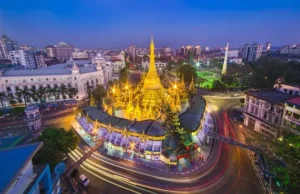
Yangon is Myanmar’s largest city and the primary international entry point for most travelers. While no longer the political capital, Yangon remains the country’s commercial, cultural, and logistical hub.
Character & Atmosphere
Yangon is defined by contrast:
- Colonial-era architecture alongside modern development
- Religious landmarks embedded in dense urban neighborhood
- Traditional markets next to international hotels
It is often a traveler’s first introduction to Myanmar’s pace, customs, and complexity.
Why Travelers Visit Yangon
- Major religious landmarks
- Museums and historical sites
- Urban culture and daily life
- Transportation connections to the rest of the country
Yangon also offers the most reliable access to:
- International-standard accommodation
- Medical facilities
- Banking and communications
Travel Considerations
- Traffic congestion can be significant
- Heat and humidity are high year-round
- Urban walking conditions vary by neighborhood
Yangon works well as both a starting point and a contextual anchor for understanding the country.
Bagan: Archaeology, History & Landscape
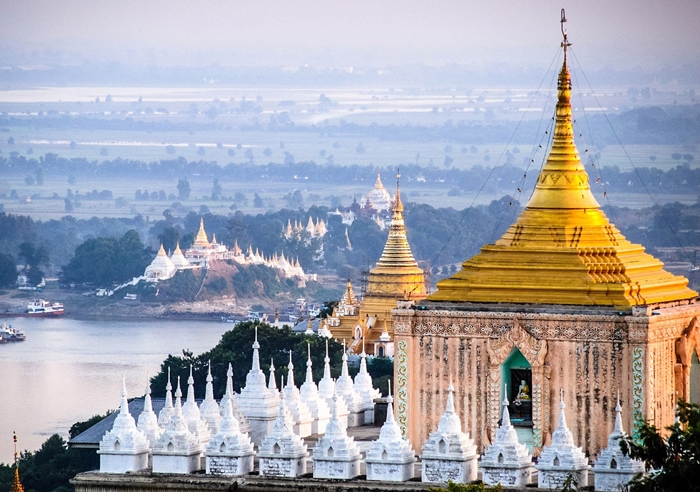
Bagan is one of Southeast Asia’s most extraordinary historical landscapes. Spread across a vast plain along the Ayeyarwady River, Bagan contains thousands of temples, stupas, and archaeological remains dating back centuries.
Character & Atmosphere
Bagan is expansive and contemplative rather than urban. Unlike compact heritage sites elsewhere in Asia, Bagan’s scale requires time and patience to appreciate.
Why Travelers Visit Bagan
- Archaeological exploration
- Sunrise and sunset views
- Cultural and religious history
- Landscape photography
Bagan is often cited as the single most important travel destination in Myanmar.
Travel Considerations
- Limited shade and high daytime heat
- Large distances between sites
- Seasonal dust or rain depending on time of year
Bagan rewards slow exploration and careful planning rather than rushed sightseeing.
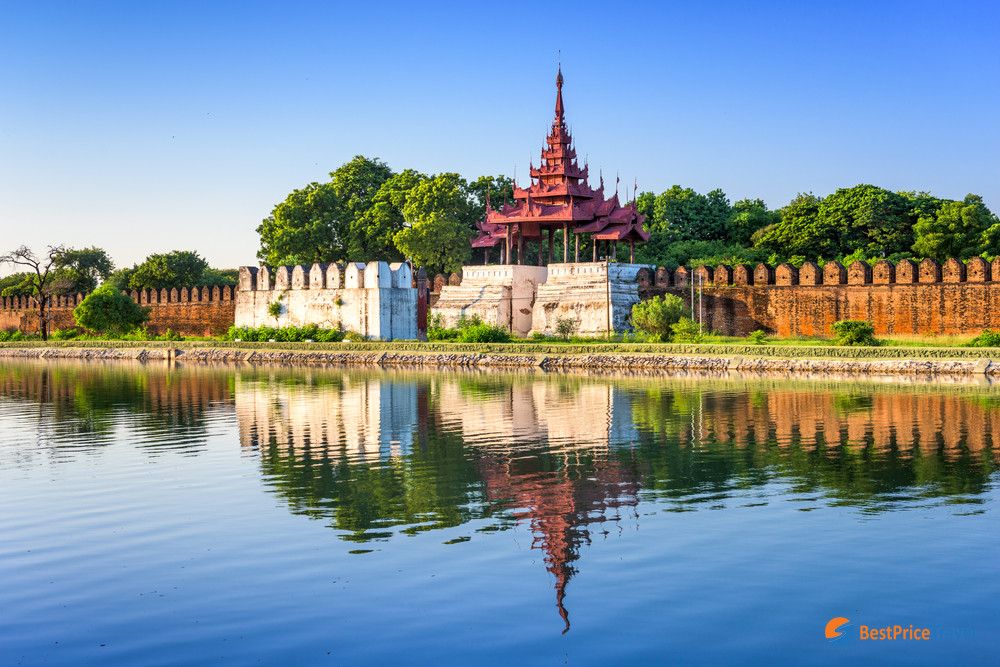
Mandalay: Culture, Religion & Upper Myanmar
Mandalay is Myanmar’s second-largest city and the historical heart of Upper Myanmar. It serves as a cultural, religious, and logistical center for the northern regions.
Character & Atmosphere
Mandalay is more traditional in character than Yangon, with:
- Numerous monasteries
- Artisan workshops
- Historical royal-era sites
The city functions as a base for exploring surrounding ancient capitals and rural areas.
Why Travelers Visit Mandalay
- Religious study and observation
- Traditional crafts
- Access to nearby historical sites
- River transport connections
Mandalay offers insight into traditional Burmese culture that differs markedly from Yangon’s cosmopolitan feel.
Travel Considerations
- Urban sprawl and traffic
- Hot temperatures in dry season
- Fewer international services than Yangon
Mandalay is best appreciated by travelers interested in culture and history rather than nightlife or entertainment.
Inle Lake: Highlands, Traditions & Rural Life
Inle Lake lies in the Shan Plateau and is one of Myanmar’s most distinctive destinations. The lake and its surrounding communities offer a unique combination of natural scenery and traditional lifestyles.
Character & Atmosphere
Inle Lake is shaped by:
- Floating villages and gardens
- Stilt houses
- Canal-based transportation
The surrounding highlands provide cooler temperatures and scenic variation from central Myanmar.
Why Travelers Visit Inle Lake
- Cultural experiences
- Traditional fishing techniques
- Local markets
- Craft villages
The area balances tourism with everyday rural life more visibly than many destinations.
Travel Considerations
- Sensitive ecosystem
- Seasonal water level changes
- Increasing visitor pressure in peak season
Responsible travel practices are especially important here.
Coastal & Beach Destinations
Myanmar’s coastline is long but unevenly developed for tourism. Beach destinations are highly seasonal and strongly affected by monsoon conditions.
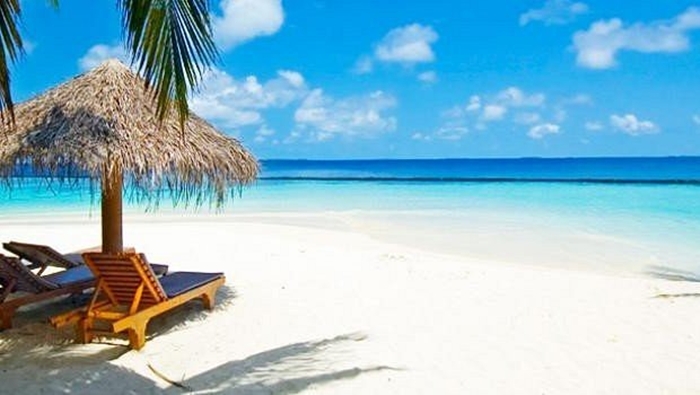
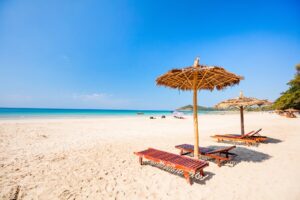
Ngapali Beach
Often regarded as Myanmar’s premier beach destination.
Characteristics:
- Long sandy beaches
- Calm waters during dry season
- Limited but higher-end accommodation
Ngapali is best visited between November and April.
Ngwe Saung & Chaung Tha
More accessible beach areas closer to Yangon.
Characteristics:
- Domestic tourism focus
- Seasonal crowd fluctuations
- Less developed infrastructure
These beaches are popular during local holidays and weekends.
Travel Considerations for Coastal Areas
- Rough seas during monsoon months
- Limited transport alternative
- Weather-dependent access
Beach travel requires careful seasonal planning.
Secondary & Emerging Destinations
Beyond the main tourist circuit, Myanmar contains many secondary destinations that appeal to experienced travelers, researchers, and repeat visitors.
Shan State (Beyond Inle Lake)
- Highland towns
- Ethnic diversity
- Trekking opportunities
Access and conditions vary significantly by area.
Ancient Capitals & River Towns
- Historical significance
- Slower pace
- Limited facilities
These locations provide depth rather than convenience.
Northern Regions
- Dramatic landscapes
- Cultural diversity
- Restricted or limited access
Travel here often requires special planning and current local guidance.
How Travelers Typically Combine Destinations
Because distances are large and transport is slower, most travelers follow selective routes rather than comprehensive loops.
Common combinations include:
- Yangon → Bagan → Mandalay
- Yangon → Inle Lake → Mandalay
- Yangon → Bagan → Beach destination
Attempting to cover too many regions often leads to fatigue rather than insight.
Choosing Destinations Based on Travel Goals
First-Time Visitors
Best suited destinations:
- Yangon
- Bagan
- Inle Lake
These provide broad cultural, historical, and logistical exposure.
Culture & History Focus
Recommended areas:
- Bagan
- Mandalay
- Surrounding ancient capitals
Nature & Rural Life
Recommended areas:
- Inle Lake
- Highland regions
- Selected river towns
Beach & Relaxation
Best during dry season:
- Ngapali
- Ngwe Saung
Infrastructure Differences by Destination
Infrastructure quality varies widely:
Destination Type | Infrastructure Level |
Major cities | Relatively developed |
Heritage sites | Moderate |
Highlands | Limited |
Coastal areas | Seasonal |
Travel expectations should be adjusted accordingly.
Urban vs Rural Travel Experience
Urban Travel
- Better transport options
- More accommodation choices
- Greater language support
Rural Travel
- Slower pace
- Limited services
- Stronger cultural immersion
Many travelers find rural experiences more rewarding but logistically challenging.
Environmental & Cultural Sensitivity by Location
Certain destinations face higher environmental and cultural pressures due to tourism concentration.
Travelers should:
- Respect local customs
- Minimize waste
- Avoid intrusive behavior
- Support community-based services where possible
This is particularly important in:
- Inle Lake
- Historic temple zones
- Small rural communities
Myanmar Travel Guide 2026 — PART 3
Experiences, Culture, Daily Life & Practical Travel
Experiencing Myanmar Beyond Destinations
Travel in Myanmar is defined less by checklists and more by observation, participation, and patience. While major destinations provide historical and visual highlights, the deeper experience often comes from everyday encounters—markets, monasteries, rural roads, riverbanks, and shared public spaces.
Experiences in Myanmar are shaped by:
- Religious rhythms
- Community-oriented social structures
- Slower pace of life
- Strong continuity between past and present
Understanding these elements helps travelers engage respectfully and meaningfully.
Religious Life & Spiritual Traditions
Religion plays a central role in Myanmar’s daily life, architecture, social norms, and public behavior.
Buddhism in Daily Life
Theravāda Buddhism is practiced by the majority of the population and shapes:
- Daily routines
- Community gatherings
- Social expectations
- Moral values
Monasteries are not tourist attractions alone; they are living institutions central to education, charity, and community life.
Visitors frequently encounter:
- Morning alms rounds
- Meditation practices
- Religious festivals
- Pagoda visits as part of daily routines
Religious Sites & Etiquette
Religious sites exist in all regions and settings—from major pagodas to small neighborhood shrines.
Key etiquette principles:
- Dress modestly (covered shoulders and knees)
- Remove shoes and socks before entering religious spaces
- Avoid physical contact with monks
- Do not point feet toward religious objects
Respectful behavior is essential, regardless of a site’s scale or popularity.
Cultural Norms & Social Behavior
Myanmar society places high value on politeness, restraint, and social harmony.
Important cultural concepts include:
- Avoiding confrontation
- Maintaining calm public behavior
- Showing respect to elders
- Demonstrating humility
Public displays of anger, impatience, or criticism are considered inappropriate.
Communication Style
Communication is often indirect.
Travelers may notice:
- Reluctance to say “no” directly
- Smiles used to soften difficult situations
- Avoidance of sensitive topics in public
Patience and attentiveness are key to positive interactions.
Daily Life & Local Communities
Observing daily life offers insight into Myanmar beyond formal attractions.
Common daily scenes include:
- Morning markets
- Tea shops as social centers
- Communal cooking and eating
- Children walking to monasteries or schools
Travelers who slow down and observe respectfully often gain a deeper appreciation of local life.
Food & Culinary Traditions
Myanmar cuisine reflects regional diversity, geography, and historical influences from neighboring cultures.
Core Characteristics
- Rice as a staple
- Fish and seafood in coastal and river regions
- Fermented ingredients
- Regional spices and herbs
Meals are often shared communally, with multiple dishes served together.
Everyday Eating
Food is available across a wide range of settings:
- Street stalls
- Local eateries
- Markets
- Restaurants catering to visitors
Tea shops play a central role in social life, serving as gathering places for conversation and informal meals.
Dietary Considerations
Vegetarian options are widely available, particularly near religious sites. However:
- Food labeling may be limited
- Communication about allergies can be challenging
- Cleanliness standards vary by location
Travelers with dietary restrictions should plan accordingly.
Festivals & Cultural Calendar (Experiential Perspective)
Festivals are not isolated events but part of Myanmar’s social fabric.
Key features of festivals:
- Strong community participation
- Religious significance
- Seasonal timing based on lunar calendar
- Temporary disruptions to normal routine
Travelers should expect:
- Increased domestic travel
- Accommodation demand
- Transportation delays
- Public celebrations lasting several days
Experiencing a festival can be rewarding but requires flexibility.
Transportation in Practice
Transportation in Myanmar is functional but often slower and less predictable than in neighboring countries.
Domestic Flights
Domestic air travel connects major cities and saves time over long distances.
Advantages:
- Speed
- Reliability on main routes
Limitations:
- Limited destinations
- Schedule changes
- Weather-related delays
Buses & Coaches
Long-distance buses are widely used and connect most regions.
Characteristics
- Night buses common
- Variable comfort levels
- Long travel times
Bus travel offers extensive coverage but requires patience.
Trains
Rail travel provides insight into rural landscapes and daily life.
Characteristics
- Slow speeds
- Limited schedules
- Basic facilities
Trains are best chosen for experience rather than efficiency.
River Transport
Myanmar’s major rivers remain important transport corridors.
Uses:
- Cargo transport
- Passenger ferries
- Scenic travel on select routes
River travel can be slow but offers unique perspectives.
Urban Transport
Urban transport options vary by city.
Common options:
- Taxis
- Motorbikes (where permitted)
- Informal local transport
Walking conditions vary and may be affected by heat, traffic, and infrastructure.
Accommodation Types & Expectations
Accommodation in Myanmar spans a wide spectrum, but standards are inconsistent.
Major Cities
- International-standard hotels
- Boutique accommodations
- Guesthouses
Smaller Towns & Rural Areas
- Local guesthouses
- Family-run inns
- Limited amenities
Advance booking is recommended during peak season and festivals.
Money, Payments & Costs
Currency
- Local currency: Kyat
- Cash remains essential in many areas
Banking & ATMs
- ATMs available mainly in cities
- Cash withdrawal limits may apply
- Power or network outages can affect access
Travelers should carry sufficient cash, particularly when leaving urban areas.
Connectivity & Technology
Mobile connectivity has improved but remains uneven.
Mobile Networks
- SIM cards available in cities
- Coverage strongest in urban areas
- Weak or no signal in remote regions
Internet Access
- Available in hotels and cafés
- Speeds vary
- Power interruptions may affect access
Offline planning tools are recommended.
Health Considerations
Healthcare quality varies widely.
Key points:
- Limited facilities outside major cities
- Travel insurance strongly recommended
- Carry essential medications
Preventive measures and cautious behavior are essential.
Safety & Situational Awareness
Safety considerations in Myanmar are nuanced and region-specific.
General principles:
- Stay informed through official advisories
- Respect local guidance
- Avoid sensitive discussions in public
- Monitor regional conditions
Travel conditions can change, requiring adaptability.
Responsible & Ethical Travel Practices
Responsible travel is particularly important in Myanmar due to social, environmental, and economic factors.
Key principles:
- Support local businesses
- Avoid exploitative activities
- Respect cultural norms
- Minimize environmental impact
Thoughtful travel benefits both visitors and host communities.
Travel Styles in Myanmar
Independent Travelers
- Flexible schedules
- Cultural curiosity
- Willingness to adapt
Researchers & Professionals
- Long stays
- Regional focus
- Contextual understanding
High-End Travelers
- Limited but growing options
- Concentrated in major destinations
Myanmar accommodates various travel styles, but all require patience and awareness.
Planning Pace & Time Management
Myanmar rewards slower travel.
Recommended approach:
- Fewer destinations
- Longer stays
- Buffer days for delays
Rushed itineraries often reduce enjoyment.
Myanmar Travel Guide 2026 — PART 4
Advanced Planning, Etiquette, Safety, FAQs & Long-Term Perspective
Advanced Travel Planning in Myanmar
Travel planning in Myanmar benefits from a layered approach. Rather than relying on fixed itineraries, experienced travelers build plans that can adapt to regional conditions, weather, transport availability, and local guidance.
Advanced planning focuses on:
- Flexibility rather than speed
- Depth rather than coverage
- Awareness rather than assumptions
Myanmar is best approached as a country to understand, not simply to visit.
Regional Differences That Matter
Myanmar is not a uniform destination. Conditions can vary significantly between regions, sometimes even between neighboring towns.
Administrative & Access Variations
Some regions have:
- Travel permit requirements
- Limited access for foreigners
- Restricted photography or movement
- Checkpoints or documentation checks
Travelers should always confirm current local regulations before visiting lesser-known areas.
Infrastructure Inequality
Infrastructure differs widely:
- Urban centers have relatively stable services
- Rural regions may experience outages or limited connectivity
- Transport options may be infrequent or seasonal
Planning should account for time buffers and alternative options.
Cultural Etiquette: Beyond the Basics
Understanding etiquette in Myanmar goes beyond dress codes and basic manners. Social behavior is deeply influenced by religious values, communal norms, and historical context.
Personal Conduct
- Speak calmly and softly in public
- Avoid public criticism or confrontation
- Show patience during delays or misunderstandings
Maintaining composure is viewed as a sign of respect and maturity.
Respect for Religion
Religious sensitivity is essential:
- Avoid casual behavior at sacred sites
- Do not climb on religious structures
- Avoid selfies or inappropriate poses near religious objects
- Always follow local instructions
Monasteries and pagodas are functional spaces of worship, not museums.
Interaction with Monks & Nuns
- Do not touch monks or nuns
- Women should avoid direct contact
- Offer items respectfully, following local customs
Observing how locals behave is often the best guide.
Photography & Observation Ethics
Myanmar is visually striking, but photography should always be respectful.
Guidelines:
- Ask permission before photographing people
- Avoid photographing military, checkpoints, or officials
- Respect signs restricting photography
- Be discreet during religious activities
Ethical observation builds trust and mutual respect.
Safety Considerations: A Practical Perspective
Safety in Myanmar is best understood as situational, not absolute.
General Safety
In many areas, daily life is calm and community-oriented. Violent crime against travelers is relatively uncommon. However, broader conditions may influence travel decisions.
Regional Awareness
Conditions can vary:
- Some regions are stable and accessible
- Others may experience restrictions or instability
- Situations can change quickly
Travelers should:
- Monitor official advisories
- Listen to local advice
- Avoid unnecessary risks
Health & Emergency Preparedness
- Carry comprehensive travel insurance
- Know where the nearest reliable medical facility is located
- Keep emergency contacts accessible
- Carry copies of important documents
Preparedness reduces stress and increases confidence.
Ethical & Responsible Travel in Myanmar
Ethical travel is especially important in destinations with complex social and economic realities.
Supporting Local Communities
- Choose locally owned accommodation where possible
- Use local guides and services
- Purchase locally made products
Responsible spending contributes directly to communities.
Environmental Responsibility
- Reduce plastic waste
- Avoid sensitive ecosystems
- Follow local conservation guidelines
Environmental pressure is a growing concern in popular destinations.
Cultural Responsibility
- Learn basic cultural norms
- Dress appropriately
- Avoid exploiting cultural practices for entertainment
Respect fosters meaningful exchange.
Long-Term Travel & Extended Stays
Some travelers stay longer in Myanmar for research, professional work, or cultural immersion.
Considerations include:
- Visa duration and extensions
- Housing arrangements
- Healthcare access
- Local integration
Extended stays require deeper planning and ongoing situational awareness.
Myanmar by Travel Style (Advanced View)
Slow & Immersive Travel
- Long stays in fewer locations
- Deeper cultural engagement
- Less reliance on rigid schedules
This approach aligns well with Myanmar’s pace.
Academic & Research Travel
- Focused regional study
- Institutional coordination
- Greater sensitivity to local context
Researchers often benefit from partnerships with local institutions.
Luxury & High-End Travel
- Concentrated in limited destinations
- Higher comfort with less logistical burden
- Reduced flexibility outside major hubs
Luxury travel exists but does not define the country.
Common Mistakes to Avoid
Travelers unfamiliar with Myanmar sometimes encounter challenges due to assumptions.
Common pitfalls:
- Overpacking itineraries
- Underestimating travel time
- Ignoring local advice
- Treating Myanmar like other Southeast Asian destinations
Awareness and humility prevent most difficulties.
Frequently Asked Questions (FAQs)
Is Myanmar suitable for first-time international travelers?
Myanmar requires more planning and adaptability than some neighboring countries. It may be better suited to travelers with prior international or regional experience.
What is the single best time to visit Myanmar?
December and January typically offer the most balanced weather across regions.
Can Myanmar be traveled on a budget?
Yes, but budget travel often involves slower transport, simpler accommodation, and fewer conveniences.
Is it possible to travel independently?
Independent travel is possible in many areas, though some regions require guided or organized arrangements.
How long should I plan to stay?
A meaningful visit usually requires at least 10–14 days, with longer stays offering deeper understanding.
Is English widely spoken?
English is spoken in major cities and tourist centers but less so in rural areas.
Long-Term Relevance of This Guide
This guide is designed to remain relevant beyond a single year.
Its focus on:
- Geography
- Culture
- Planning principles
- Ethical travel
- Structural understanding
…means that only periodic updates are needed for:
- Entry regulations
- Transportation changes
- Regional accessibility
This makes it suitable as a long-term pillar page for Myanmar.com.
Conclusion: Traveling Myanmar with Understanding
Myanmar is not a destination to rush through. It is a country that rewards curiosity, patience, and respect. Travel here is as much about listening and observing as it is about seeing landmarks.
Those who approach Myanmar with openness and responsibility often leave with:
- Deeper cultural understanding
- Meaningful human connections
- A broader perspective on Southeast Asia
This Myanmar Travel Guide 2026 serves as a foundation—connecting geography, destinations, experiences, and ethics into a single reference point. As conditions evolve, thoughtful updates can ensure that this guide continues to inform, educate, and support responsible travel for years to come.