
U.S. Halts All Immigration Cases for Nationals of 19 Countries
The U.S. government has paused all immigration cases filed by nationals of 19 countries after issuing an internal directive to federal immigration staff. The decision followed a recent violent incident in Washington, D.C., where two National Guard members were shot while on duty. As a result, the administration took one of its broadest steps so far to restrict legal immigration pathways tied to an earlier policy known as the travel ban.
According to internal guidance from U.S. Citizenship and Immigration Services (USCIS), officers were instructed to stop completing final decisions on affected cases. USCIS handles green cards, citizenship applications, family-based petitions, asylum claims, and employment-based visas. Under the directive, staff must pause all cases involving nationals of the listed countries, regardless of visa type, application stage, or legal status.
USCIS Orders a Full Pause on Case Decisions
The guidance explicitly ordered employees to “stop final adjudication on all cases” tied to the affected countries. This instruction applies to both approvals and denials. In practice, that means officers cannot close cases in any direction during the pause.
Notably, the directive also applies to citizenship oath ceremonies. Many lawful permanent residents had already passed interviews, background checks, and language tests. Some were scheduled to become U.S. citizens within days. Under the new guidance, those ceremonies are now postponed indefinitely.
Temporary Suspension With No End Date
USCIS described the action as temporary. However, the document did not include a timeline or clear benchmarks for lifting the pause. Internal notes referenced the development of additional vetting procedures, but officials did not explain what those reviews would involve or how long they might take.
As a result, applicants face continued uncertainty. Thousands of cases now sit in limbo, with no estimate of when processing will resume or whether rules will change once it does.
Link to June Presidential Proclamation
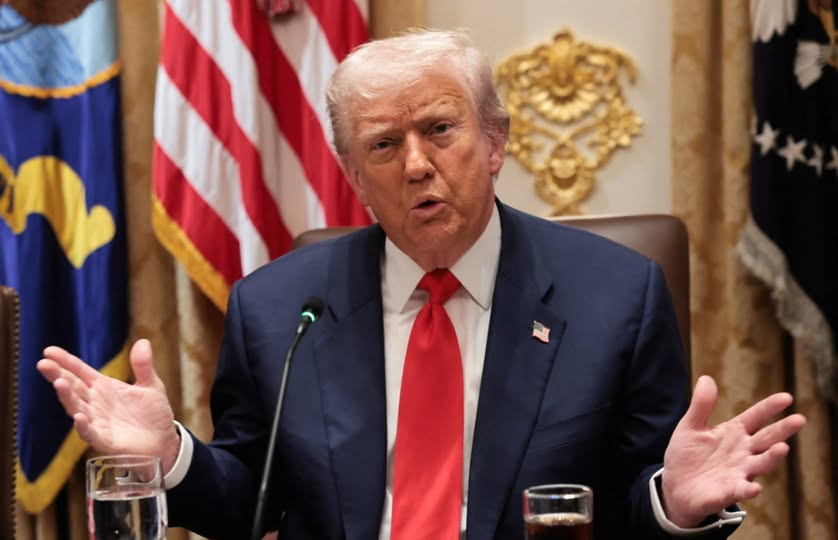
The pause stems from a proclamation issued by President Trump in June. That order expanded travel restrictions first introduced during his earlier term. While prior bans focused mainly on entry into the U.S., the current halt goes further by freezing immigration benefits for people already inside the country.
This shift has a wider impact. It affects individuals who have lived legally in the United States for years, including workers, students, refugees, and permanent residents. Many had followed all legal requirements and expected routine processing.
Countries Covered by the Freeze
The proclamation groups 19 countries under national security and vetting concerns. Those facing severe restrictions include Afghanistan, Myanmar, Chad, the Republic of the Congo, Equatorial Guinea, Eritrea, Haiti, Iran, Libya, Somalia, Sudan, and Yemen.
Countries listed under partial suspension include Burundi, Cuba, Laos, Sierra Leone, Togo, Turkmenistan, and Venezuela. Under the USCIS directive, nationals from all these countries now face paused immigration cases, including naturalization and family petitions.
Impact on Families, Workers, and Employers
Many affected individuals live in the U.S. as spouses, parents, children, employees, or long-term residents. Some were waiting for family reunification. Others needed work permit renewals or travel documents. Because the pause applies to all form types, employment-based cases and business-sponsored petitions are also affected.
In addition, U.S. citizens and permanent residents sponsoring relatives now face extended delays. Even cases that met standard legal requirements are frozen, creating stress for families and employers alike.
Legal and Policy Concerns
Immigration law normally requires agencies to process applications within reasonable timeframes. Legal scholars note that broad pauses like this are unusual and raise questions about administrative authority. USCIS cited the June proclamation as justification, suggesting the administration wants to reassess screening standards for nationals of the listed countries.
The guidance also instructed officers not to issue denials during the pause. This move suggests the government seeks consistency while it reviews or revises vetting policies.
Reaction From Advocates and the Public
Immigration advocates expressed concern about the impact on people who already passed security checks and complied with U.S. law. Many argue that halting cases for individuals living legally in the country does little to improve public safety.
Some groups also questioned the link between the pause and the recent shooting in Washington, D.C. Critics note that officials have not presented evidence tying immigrants from the affected countries to the incident.
Internal Directive, Limited Public Explanation
USCIS did not release a public press statement about the pause. The directive circulated internally, and its existence became public through sources familiar with agency operations. Government officials have not answered questions about the policy’s duration or scope.
This approach highlights how internal administrative guidance can shape immigration policy without new legislation or formal announcements.
Broader Context of the Travel Ban
The June proclamation expanded policies first introduced in 2017. While courts challenged those measures, the Supreme Court later upheld the travel ban framework. The latest version adds more countries and broadens restrictions.
The policy cites concerns such as weak information-sharing systems, identity verification gaps, and national security risks. However, critics argue that grouping diverse countries under one framework oversimplifies complex realities.
Citizenship Ceremonies Put on Hold
The halt on citizenship ceremonies has had a particularly strong effect. Many applicants had completed every requirement and awaited only the final oath. Delays affect travel, voting rights, job opportunities, and legal certainty.
USCIS field offices now hold completed files they cannot finalize. Attorneys report rising backlogs and confusion among applicants whose work permits or travel documents may expire during the pause.
What Comes Next
For now, the situation remains fluid. Immigration experts expect further instructions once the administration completes its vetting review. Until then, nationals from the 19 countries remain stuck across all stages of the immigration process.
FAQ
Which countries are affected by the halt?
Afghanistan, Myanmar, Chad, Republic of the Congo, Equatorial Guinea, Eritrea, Haiti, Iran, Libya, Somalia, Sudan, Yemen, Burundi, Cuba, Laos, Sierra Leone, Togo, Turkmenistan, and Venezuela.
Does the halt include citizenship ceremonies?
Yes. Oath ceremonies for eligible applicants from the listed countries are postponed.
Are all immigration forms affected?
Yes. The pause applies to all case types, including green cards, citizenship, family petitions, work permits, and travel documents.
Is this policy permanent?
USCIS described it as temporary, but no end date was provided.
Does the halt affect people already living legally in the U.S.?
Yes. Many affected individuals are lawful permanent residents, workers, students, and refugees.
Related posts:
 Myanmar Steps Up Crackdown on Online Scam Compounds Near Thai Border
 Bishop Peter Tin Wai: Myanmar Civilians Struggle to Survive
 The Royal Thai Air Force clarified it deployed F-16s after a Myanmar aircraft neared Kanchanaburi around noon Friday.
 BORDER CLASHES IN PHOP PHRA SHUT SCHOOLS, DRIVE REFUGEES INTO TAK
 World Bank Sees Myanmar Economy Rebounding Despite Crisis
Myanmar Earthquake – A Nation in Crisis Amidst Disaster
World Bank Sees Myanmar Economy Rebounding Despite Crisis
Myanmar Earthquake – A Nation in Crisis Amidst Disaster